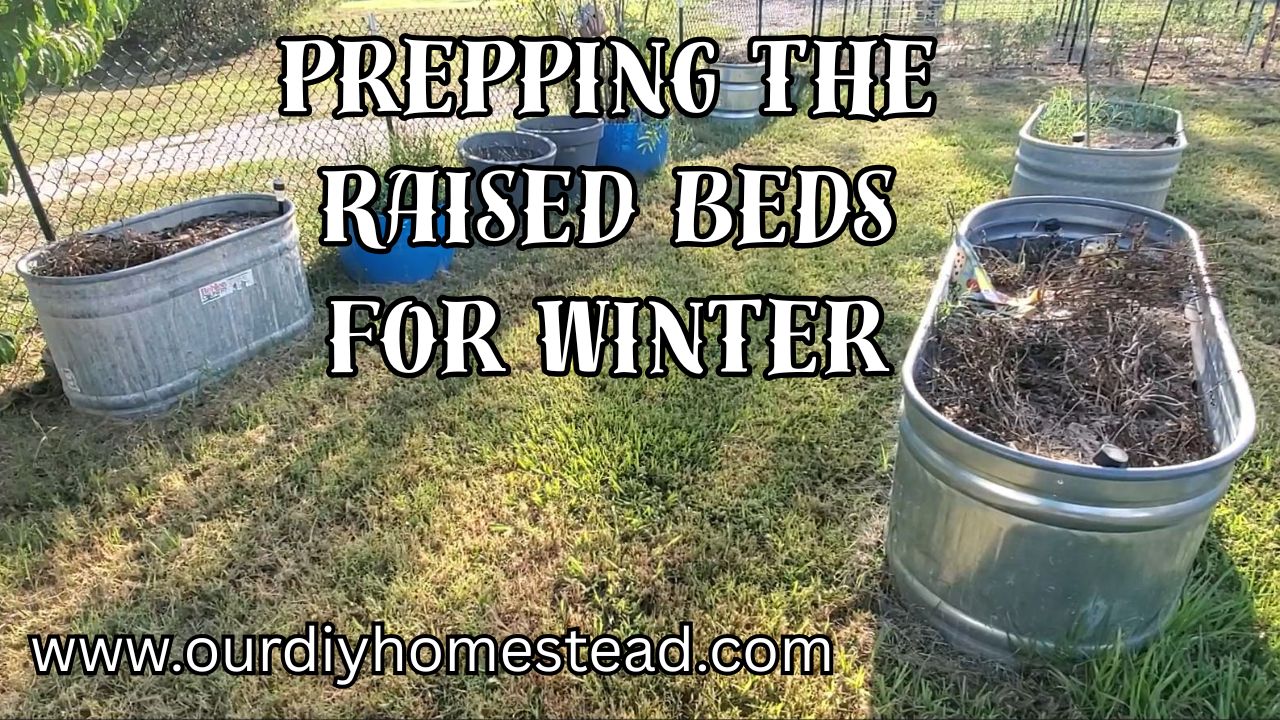

As the garden season wraps up and the air turns crisp, it’s time to tuck those raised beds in for a long winter’s nap. Prepping now makes life so much easier when spring rolls around—you’ll thank yourself later! Ron shows you how we do it in this Youtube video.
First things first, clear out any spent plants. It can be tough pulling up the last tomato vines or bean stalks, but leaving them behind can invite pests and diseases to hang around. If the plants look healthy, toss them in the compost pile. If not, go ahead and dispose of them elsewhere.
Once the beds are cleared, give the soil a little fluff with a garden fork. This helps loosen things up and makes sure no stubborn weeds or roots are hanging around. Then, it’s the perfect time to feed your soil. Add in some compost, aged manure, or even shredded leaves. Think of it as giving your garden a hearty winter stew—it’ll break down over the cold months and be ready to nourish your spring crops.

Don’t forget about mulch! A cozy blanket of straw, leaves, or even wood chips keeps the soil protected from harsh winter weather. Or, if you’re up for it, try planting a cover crop like rye or clover. These “green blankets” protect the soil and add nutrients once you turn them under in spring.
Lastly, give your raised bed frames a quick check. Tighten up any loose boards or add a little protection if needed. A simple cover—like burlap or cardboard—can also help keep the soil in good shape through snow and ice.
With just a bit of effort now, your raised beds will be snug and ready for rest. Come spring, they’ll reward you with healthy, thriving soil—no extra stress required!
