Visit Us On Our Other Channels

Category: garden

Winter Gardening: Worth It or Too Much Work?

When most gardens go silent and seed catalogs start whispering promises of spring, a winter garden quietly proves there’s still plenty growing to be done. It may not look like the lush June plot we all love, but tending vegetables in the colder months has its very real perks — along with a few challenges worth considering.
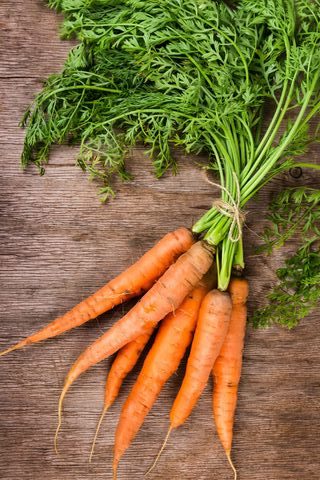
carrots

Let’s start with the good news. A winter garden means fresh produce when everyone else is stuck with grocery-store prices. While lettuce climbs to $4 a head and carrots are trucked in from across the country, you can stroll out to your backyard and pull crisp greens, sweet carrots, hearty kale, leeks, and cold-loving herbs. And here’s something magical: cold weather doesn’t just keep plants alive, it improves their flavor. Kale turns sweeter, carrots deepen, and Brussels sprouts mellow after a frost. Add to that the fact that pests practically disappear, and suddenly gardening feels… easier.

But let’s be honest — winter gardening isn’t all cozy mugs of tea and baskets of greens. The cold slows everything down. What sprouts in a week during May might take a month in January. And you’ll need to think ahead about protection: row covers, mulch, cold frames, or a hoop house. Winter crops are hardy, but deep freezes and icy winds need buffering. Plus, while watering is minimal, you do have to be willing to bundle up, tug on gloves, and head out when the garden calls — even if it’s 28 degrees.

Still, the trade-off is worth it for many homesteaders. A winter garden keeps food on the table, builds resilience, and stretches your growing confidence across all four seasons. When the world outside sleeps, your soil keeps providing — and that feels deeply satisfying.
Keeping the Homestead Going When the Cold Sets In

Winter has a funny way of slowing everything down while somehow keeping us just as busy as ever. The garden might not be bursting with tomatoes or zucchinis anymore, but it still needs a little love to make sure spring starts off right. Same with the animals—cold weather doesn’t stop chores; it just changes them.

In the winter garden, it’s all about protection and preparation. First up: mulch. A good thick blanket of straw, leaves, or wood chips keeps your soil from freezing solid and protects any perennials or overwintering veggies. It’s like tucking your garden into bed for a long nap. And don’t forget your tools—winter is the perfect time to clean them up, sharpen the blades, and oil the handles so they’re ready to go come spring. If you’ve got raised beds, winter is a great time to add compost, too. Let the freeze-thaw cycles work it into the soil for you.

Winter Animal Care

Now for the animals. Winter care definitely keeps you on your toes, but it doesn’t have to be stressful. Fresh, unfrozen water is the biggest job—heated bowls are a lifesaver, but if you don’t have them, just be ready to swap out buckets a couple times a day. Chickens appreciate a draft-free coop and a little extra bedding to snuggle down in. Rabbits need the same—plenty of straw, solid wind protection, and extra hay to keep their little engines running. And pigs? They’re tougher than they look, but they still need a dry shelter, deep bedding, and steady feed to stay warm.

Winter isn’t loud or busy like the growing season, but it’s important. These small chores—mulching, watering, bedding, feeding—help everything on the homestead rest, recharge, and get ready for spring. And honestly? There’s something peaceful about caring for the land and animals in the quiet of winter.

Planting Herbs in the Fall: A Homesteader’s Best-Kept Secret

Fall may feel like the time to put the garden to bed, but for homesteaders, it’s actually one of the best seasons to plant herbs. The soil is still warm from summer, the air is cool and gentle, and the garden finally slows down enough for you to catch your breath. It’s the perfect window to tuck in new herbs that will reward you come spring.

You can watch Ron plant a lot of our herbs here.

Planting herbs in the fall gives their roots plenty of time to settle in before winter hits. With cooler temperatures, herbs don’t have to fight heat stress or rapid evaporation. Instead, they can focus on building strong, steady root systems. By the time spring rolls around, they wake up early, growing faster and fuller than herbs planted in the spring.

If you want a little more color and fragrance, consider planting lavender or lemon balm. Both settle in beautifully during fall and bring a burst of life to early spring gardens. And don’t forget parsley — technically a biennial, but it thrives when planted in autumn and will give you bright green leaves deep into winter.

When planting, add a layer of compost and mulch to protect the roots and hold moisture. Water deeply, then let nature take the lead. Fall rains do most of the work for you.

So before you hang up the garden gloves for the season, give your herb garden a head start. A little fall planting goes a long way — and your springtime self will thank you.

Prepping The Raised Beds For Winter

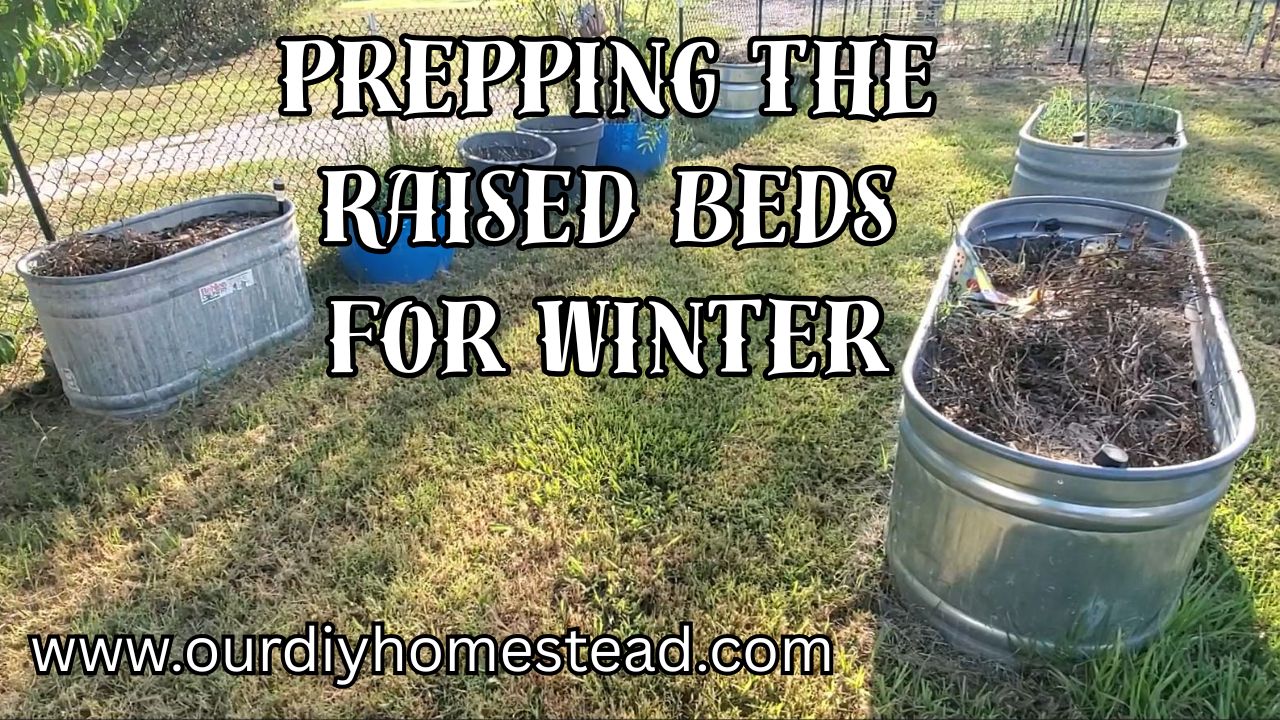
As the garden season wraps up and the air turns crisp, it’s time to tuck those raised beds in for a long winter’s nap. Prepping now makes life so much easier when spring rolls around—you’ll thank yourself later! Ron shows you how we do it in this Youtube video.

First things first, clear out any spent plants. It can be tough pulling up the last tomato vines or bean stalks, but leaving them behind can invite pests and diseases to hang around. If the plants look healthy, toss them in the compost pile. If not, go ahead and dispose of them elsewhere.

Once the beds are cleared, give the soil a little fluff with a garden fork. This helps loosen things up and makes sure no stubborn weeds or roots are hanging around. Then, it’s the perfect time to feed your soil. Add in some compost, aged manure, or even shredded leaves. Think of it as giving your garden a hearty winter stew—it’ll break down over the cold months and be ready to nourish your spring crops.

Don’t forget about mulch! A cozy blanket of straw, leaves, or even wood chips keeps the soil protected from harsh winter weather. Or, if you’re up for it, try planting a cover crop like rye or clover. These “green blankets” protect the soil and add nutrients once you turn them under in spring.

Lastly, give your raised bed frames a quick check. Tighten up any loose boards or add a little protection if needed. A simple cover—like burlap or cardboard—can also help keep the soil in good shape through snow and ice.

With just a bit of effort now, your raised beds will be snug and ready for rest. Come spring, they’ll reward you with healthy, thriving soil—no extra stress required!

2025 Garden Advice

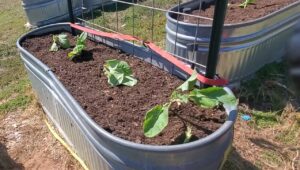
Yes, it’s true! The 2025 garden kickoff has begun. Being in North Texas we are still experiencing some cooler weather but we don’t have any snow on the grown and hoping for no deep freeze weather to hit. We do a lot of raised garden beds here so cleaning up the beds from the fall garden is pretty simple to do. Then, adding compost or other soil amendments and working them into the garden soil. And, adding the plants to our garden beds. It all sounds so easy but as we all know there is more to it.

You can see how Ron got our 2025 garden started here.

Weather

It’s never a fool proof plan on when to start your garden. Yes, knowing your zones can help but it’s not a guarantee. If you are like me, you like to push the envelope and pray for nice weather early and are willing to take the risk of putting your plants out early. To help with this there are several things you can do. One, make sure to harden off your delicate little plants while they are still inside by having a fan going over them. As they do well with that then you can move them outside during the day time and bringing them inside at night. After a week or so of that let them stay outside over night if your temps don’t fall below freezing. I don’t let them stay outside if it gets below 40.

Check this out for learning more about your gardening zones.

Cold or Hot Plants for the Garden

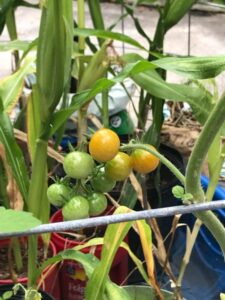
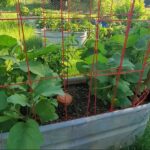
Cherry tomatoes

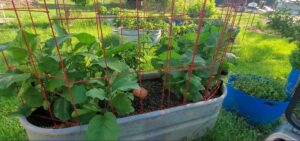
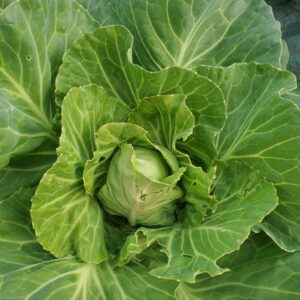
It’s important to know when to start certain plants. There are plants that do better in the colder parts of your gardening season. These are your root crops and your brassicas. If the bulb is in the ground, such as carrots, beets, turnips then a cold snap isn’t going to hurt them. Cabbage, cauliflower, broccoli can do fine if the temps are chilly. It might actually help the veggie taste sweeter. In the heat of the summer is when you want to put out your tomatoes, peppers and eggplants plus so much more. The hot weather is when these type of plants will grow, flower and produce.

Hope these gardening tips gave you some ideas for your 2025 garden!

Shawn

Amending New Garden Area With Rabbit Manure

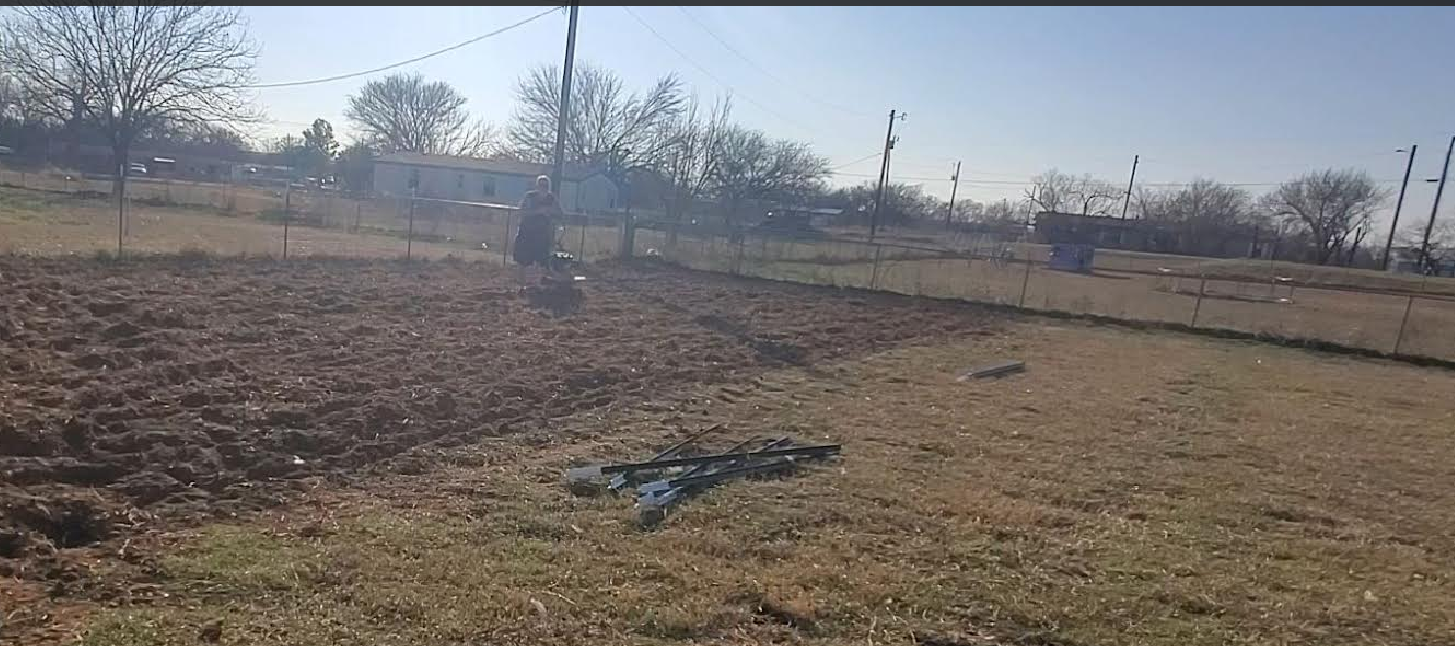
Are you adding a new garden area or just looking to improve the soil in your existing garden spot? We are adding another garden area and looking for ways to amend the soil. One of the things we use is animal waste, mostly rabbit and chicken manure. We work hard to use chemical free fertilizers and I might be oversharing, but we seem to have an abundance of manure around here! So, Ron spreads it in the garden areas. We amend new garden beds with it, we topcoat some plants with it. It’s nice to know that there is a use for animal manure and for the most part it’s free. If you are in need, just ask around and you will probably find someone willing to share with you.

Here is how Ron is amending our new garden bed. He even is sharing a secret source of help with the garden.

There is a Difference in Manures

If you are new to using animal manure in your garden beds there are differences in when and how to use the manure.

Chicken

Chicken manure is called a hot manure, it needs to rest before you use it around your plants. It can kill your garden plants because the concentration of nutrients may be too high for plants and burn them. We use chicken manure off season, spreading it around and rototilling it into the garden beds.

Rabbit

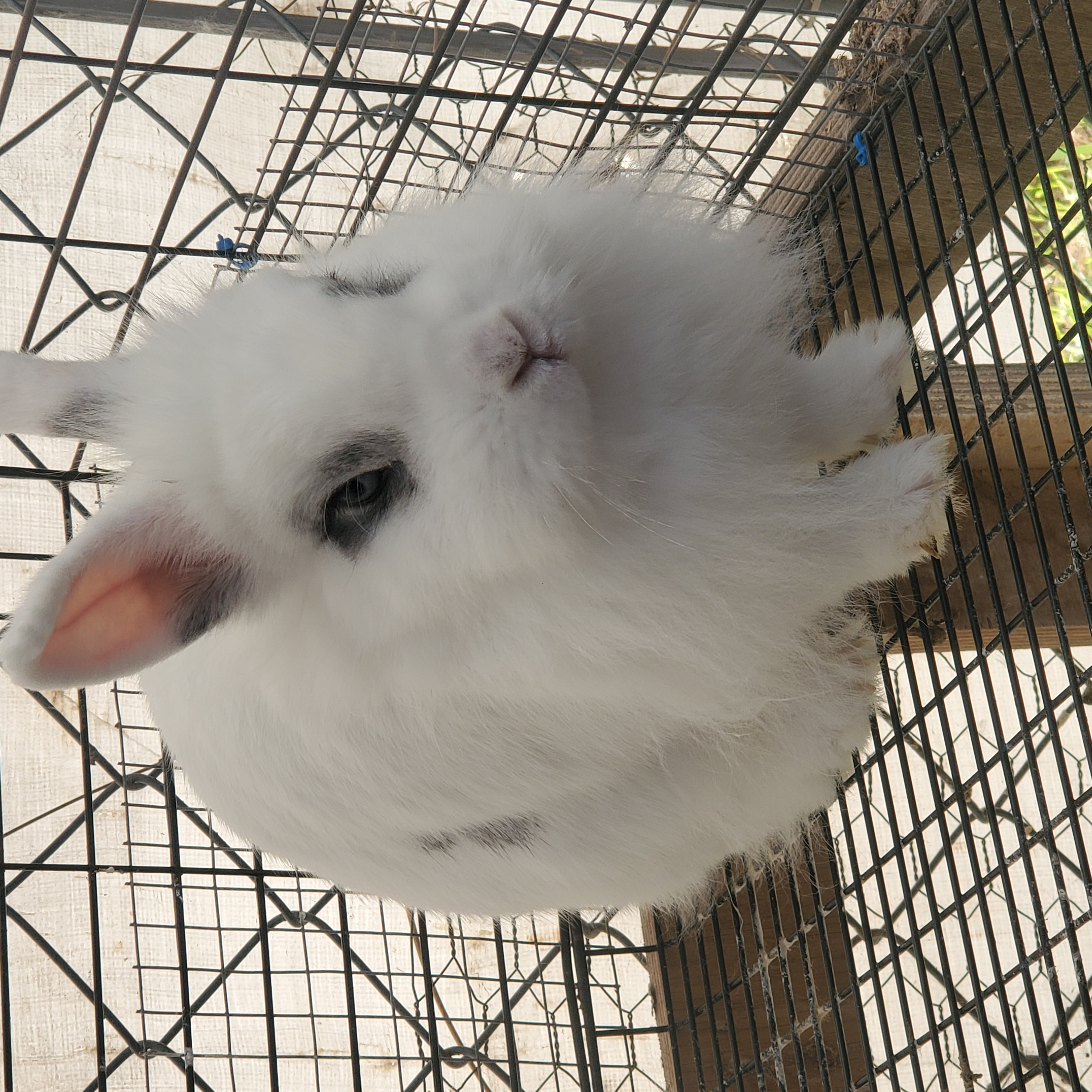
Rabbit manure is a cold manure and it safe to use around most plants without it resting for a season. We normally toss some in the hole we dig to plant our veggie plants. Our bunnies, Ricky & Lucy, (Here is a picture of Lucy, isn’t she cute!) are set in cages that are about waist high and under their cages we put small kiddie pools and other various plastic type containers to catch the poo. It is easy to grab and use when we are ready for it.

THE INSIDE SCOPE…

Want to get to know Ricky & Lucy a little better? Check it out here.

Well, I’m hoping the conversation about animal manure was interesting. I’ll know you are a true gardener if you made it all the way through the blog.

Here is to your homesteading dreams,

Shawn

Doing Chores In The Snow

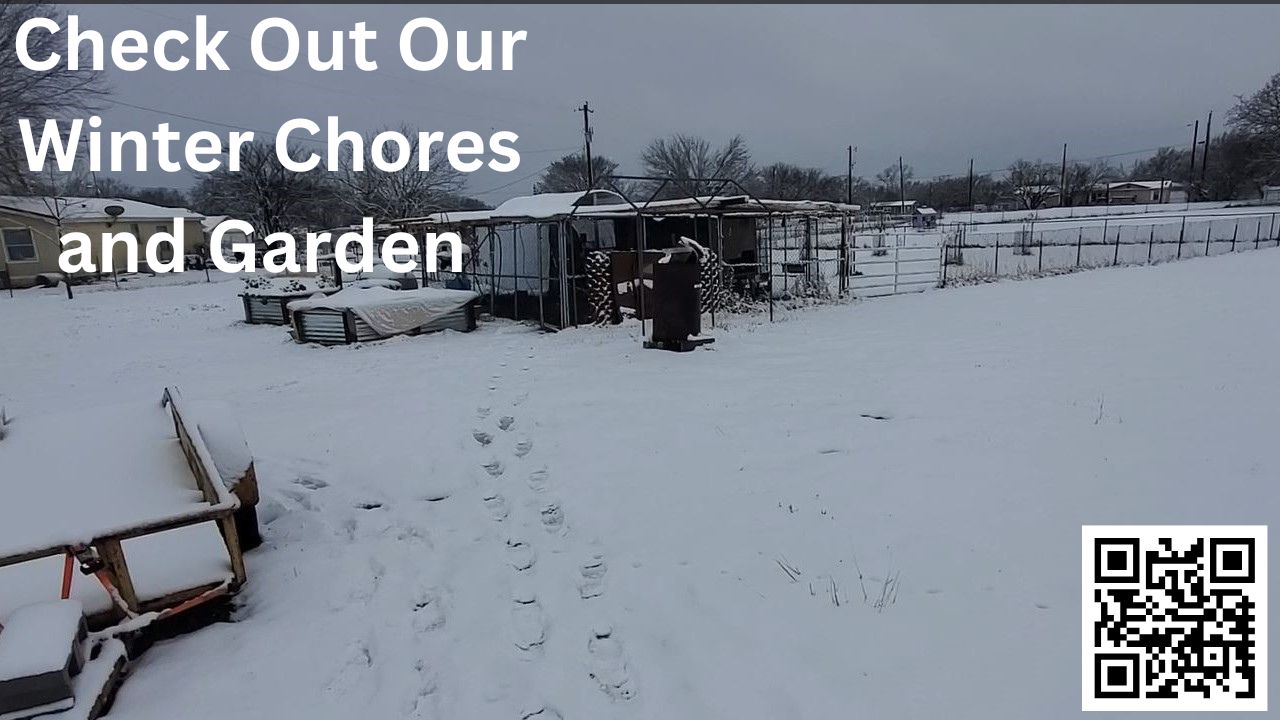
It’s not often that we are doing chores in the snow but this last week in North Texas found us doing just that. Since we have been here for a few years we did have almost everything we needed so the animals weren’t affected that much… besides the chickens pouting in their coop because they did not like the snow! It just took time to find were everything was put away from the last time we had freezing, snowy weather. We also had to protect the few garden crops that we still have growing.

You can watch Ron doing the chores by clicking here.

Food, Water & Shelter

Food, water and shelter are the most important things to think about when doing chores in the snow. We have had a heated dog water bowl for several years and have learned it is a great source of water for the hens. Ron also set up a heat lamp over their other water so we didn’t have to worry about frozen water. This is the first year that we have had bunnies during a winter freeze so we had to buy heated rabbit bowls for them. Everyone received extra feed and Ricky & Lucy, the bunnies, got extra lettuce greens as well. Ron had just put in extra straw for the hens and the bunnies were protected from the weather from their shelter. Everyone was safe and warm.

Garden Veggie Protection

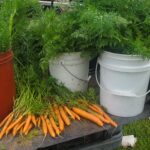
carrots

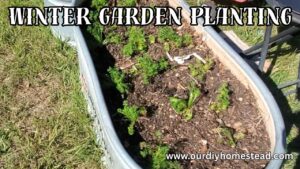
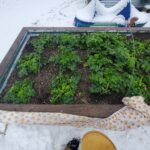
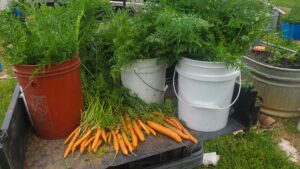
We always plant carrots in the fall and overwinter them and they are ready in the spring. Usually, we don’t worry about them much but when temps dip below the 20’s into the teens we cover them. Here is a peek at how they are looking.

We did an experiment this fall and planted celery. In the beginning of the season it was to hot then the temps were in the 70’s and 60’s and the celery loved it. It is not a fan of the 20’s and colder weather but it is doing pretty well.

Well, warmer weather is on it’s way and we are hoping the snow melts away soon. But it’s winter here in North Texas and another storm is already in the forecast. Let’s hope we get to skip the snow this next time.

Here is to your homesteading dreams,

Shawn

The Dream of a Seed

For those of us in Northern Hemisphere most of us are thinking of winter gardens with a dream of a seed in our heads. That is where it all begins! What can we grow with a shorter amount of daylight and with winter improaching upon us. For me that means a lot of root veggies and brassicas. Check out this new video of Ron planting some of our brassicas here.

Starting Seeds

Those seeds are easy to plan and start for your winter garden. I start seeds a little differently then some by sprouting the seeds before I plant them in soil. It seems to give me a better percentage of live plants then if I just put the seeds in soil. I get a rush when I realize that the one seed that I have started by sprouting it, then planting it and often transplanting it once before it goes outside ends up as a plant that creates food for us. I like the rush of that feeling! I explain it better here in an article I have written.

Planting Seeds

So, there are seeds that I start early and transplant out in the garden. There are also seeds that go directly into the garden. I think of carrots and beans. With carrots I will seed them directly in the garden when it cools down and they will grow from Fall to Spring. I’ll harvest them just in time to put some warm weather crop in their old garden space. Beans and beets seed I planted directly into the ground as well and since they grow at a faster pace then carrots I normally can get a harvest before cold weather hits us down here in north Texas. Here is a fun blog I wrote about carrots.

I hope you are making plans for your fall garden. Feel free to leave me a note about your favorite fall veggie.

Here is to your homesteading dreams,

Shawn

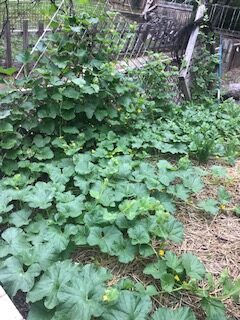
cantaloupe & watermelon patch

Benefits of a Fall Garden

Lack of Heat & Bugs in the Fall Garden

The benefits of a fall garden for one is the lack of bugs and heat. In North Texas both are an extreme problem during the summer. With the hundred degree weather right now and most of my summer garden dead I am looking forward to cooler weather the ease of a fall garden. If you are having the same hot summer as I am I just wanted to encourage you to not give up on gardening before you look into having one in the fall. There can be great reward in the garden you raise as well as in your mental state of mind.

Bugs in the garden

I live in zone 8a, North Texas and when I say our summers are hot I am not exaggerating! We deal in 100 degree days fairly regularly which is very hard on a plant. I wrote an article on weather and gardening here.

But there is hope! With the end of August the days get cooler and the bugs get fewer. I am in fall garden mode!

We have already talked about the first benefit of gardening in the fall and that is the lack of heat and bugs.

Root Veggies and the Fall Garden

Veggies in the fall garden

I think the fall garden is perfect for root veggies. I can’t get carrots or beets to grow during the summer garden. But in late fall I can spread some carrot seeds out in a raised bed and end up with beautiful carrots in the Spring. Check out my blog about growing carrots here. There are so many delicious root veggies to choose from and the wonderful thing about them as some get sweeter in taste as they are touched by the cooler weather.

Enjoying a Breath of Fresh Air

To me one of the biggest benefits of a fall garden is just enjoying being outside. Having dirt under my finger nails and the wind blowing in my face. It makes me feel alive again and enjoying the act of gardening; planting seeds, watching seedlings grow and the crunch of a veggie as I take a bite out of it. Like I said earlier the garden you raise can be helpful to your mental state of mind.

Please take a moment and check out the video I did for you. It tells about how 2024 has been a hard year for us. But the fall garden is calling and I’m getting ready for it. I hope you are too!

Here is to your homesteading dreams,

Shawn

Gardening With Less Water

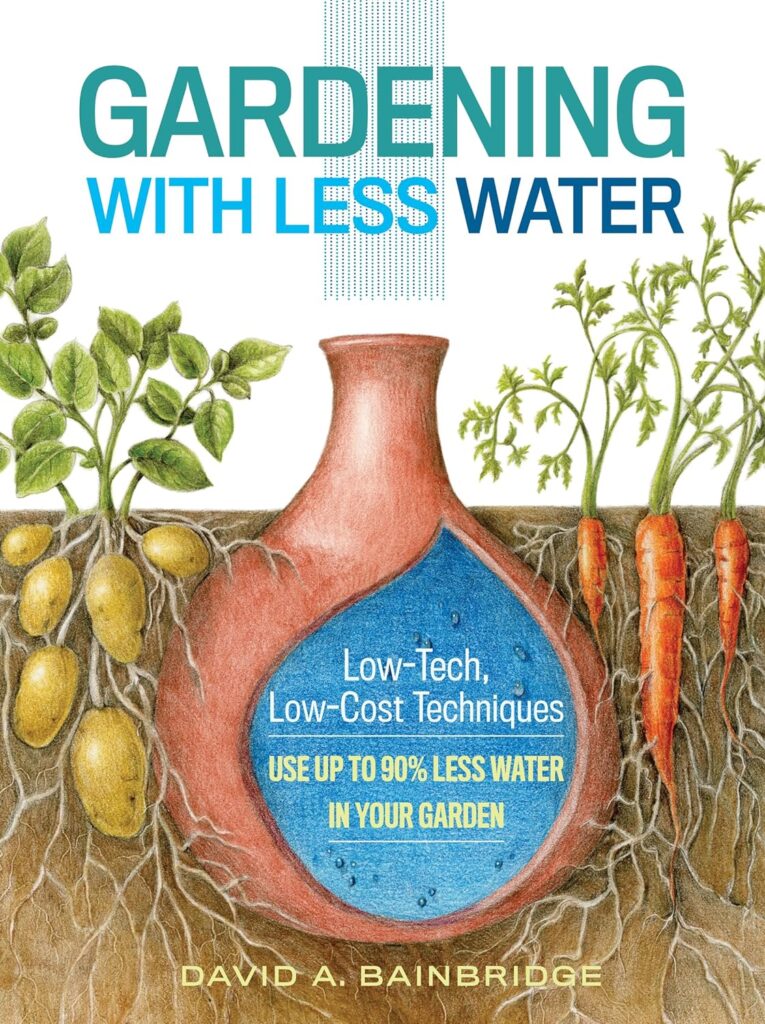
If you like to read during the winter months like I do. I have a great book review for you. Gardening with less water, low-tech, low-cost techniques use up to 90% less water in your garden. by David A. Bainbridge. Since I live in North Texas the title of this book intrigued me. I want to know of any type of watering for my garden that uses less water and is low-tech!

Super-Efficient Irrigation Systems

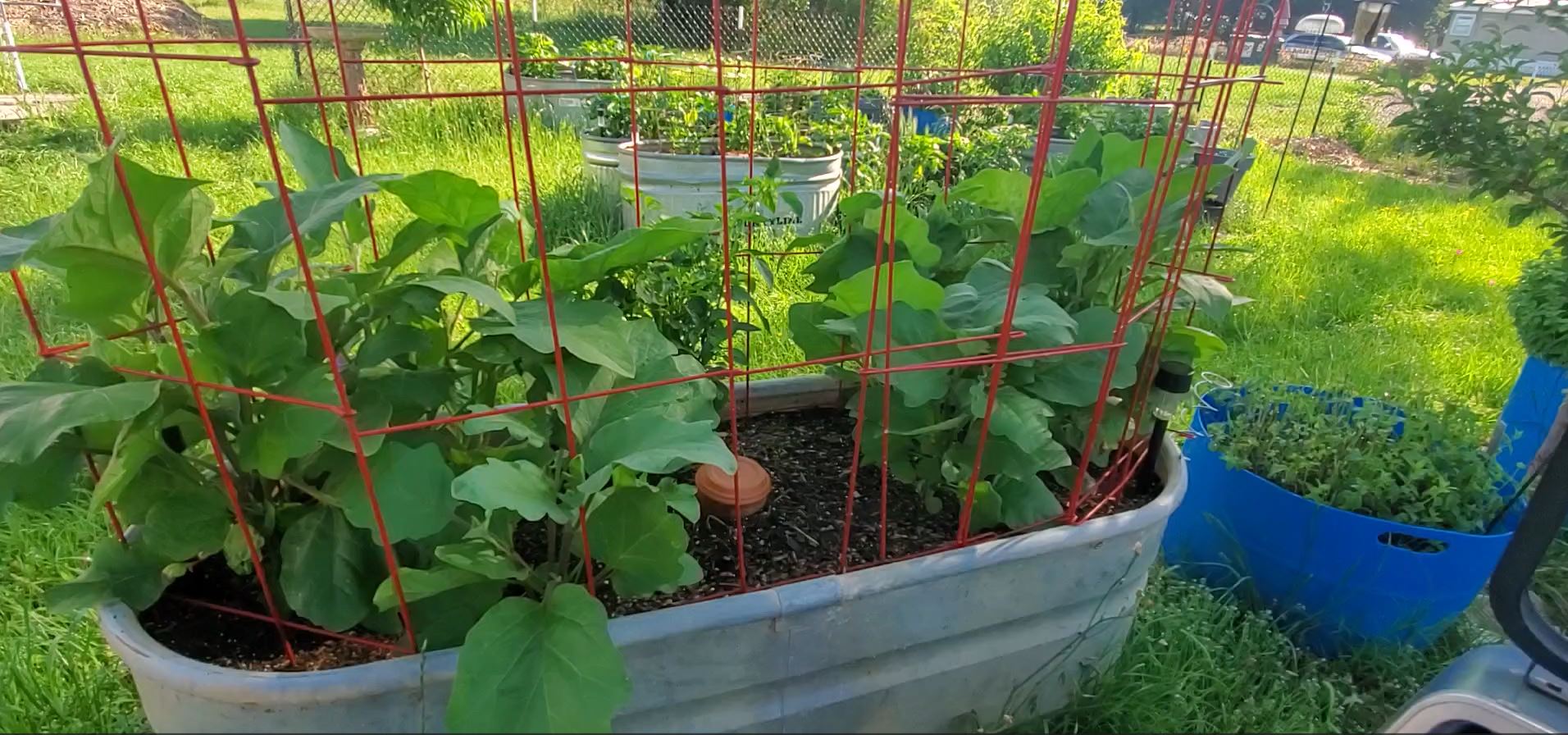
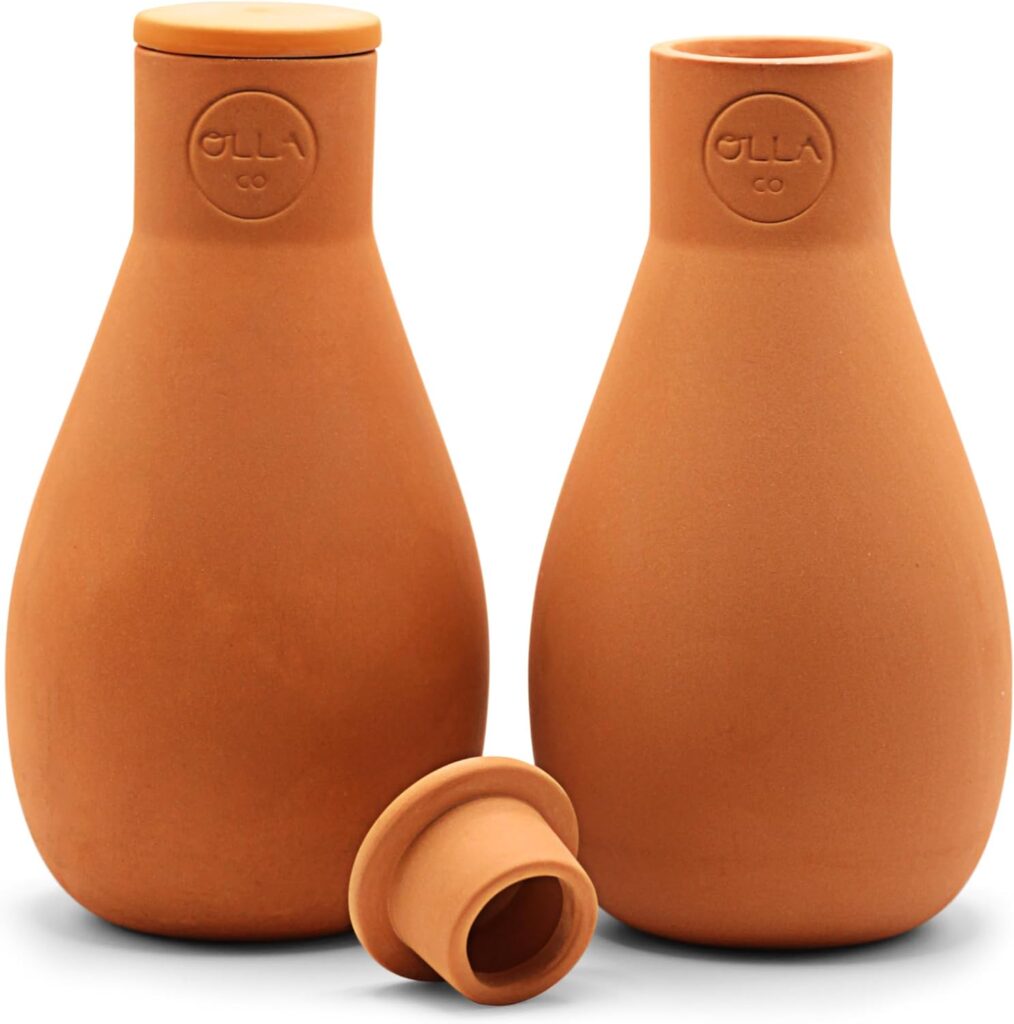
The first part of this book goes over different irrigation systems. He talks about buried clay pots and porous containers. Something I learned about are ollas. These are porous clay pots that you bury in your garden beds. Then they are filled with water and the pots hold the water until the soil is dry then the water seeps out at root level. It is said that the water lasts for a longer time.

It also talks about deep pipes. These are also made out of pvc pipe with holes drilled into it. You can bury the pipes up to a couple of feet. When watering the trees you water down the pipes so that the water gets to the roots of the trees. We have used these pipes with the fruit trees we have planted and they seem to work well.

He does go over some other irrigation systems and they all seem like great systems and what I like about all of them is that they are easy to implement.

Taking it to the second level

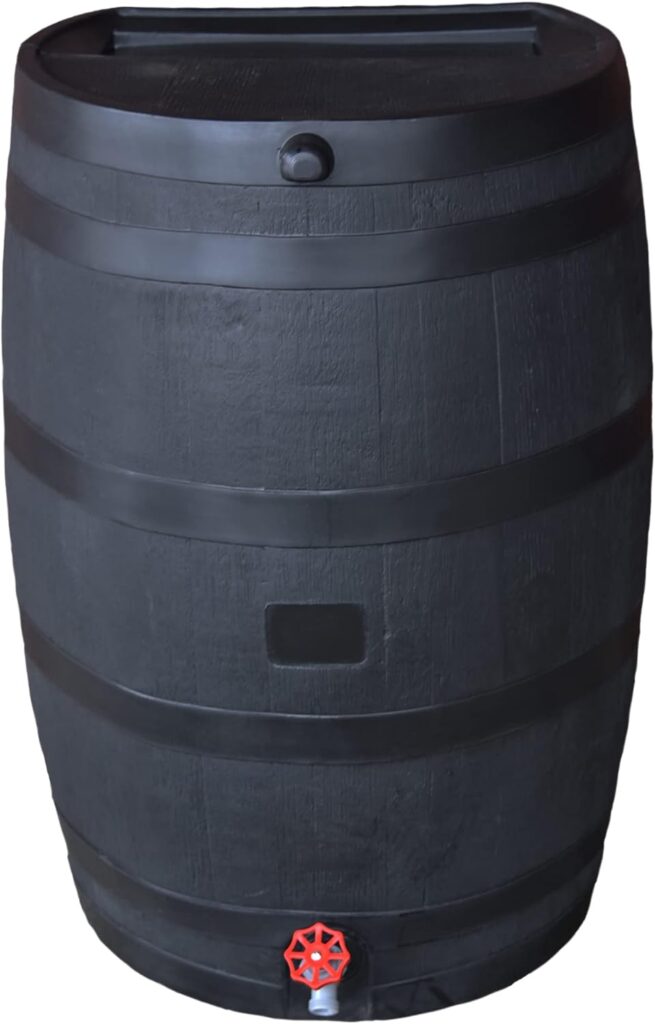
The second half of the book goes over how to be water wise. This was probably my favorite part of the book. It talks about rainwater harvesting, grey water usage, and water catchments.

And then it discusses in the last chapter of the book about our water future. The importance of being water wise in our immediate homes, in our communities, educating ourselves and others throughout the world.

I hope that this was of interest to you especially if you garden in extremely hot weather. I enjoyed the book and refer back to it as we are getting ready to put systems in place. You can check out a video I did about the book here.

Here is to your homesteading dreams,

Shawn

Disclosure: Some of the links above are affiliate links. This means that, at zero cost to you, I will earn an affiliate commission if you click through the link and finalize a purchase.