Visit Us On Our Other Channels

Category: Chickens

Taking Care of the Homestead Animals and Their Needs

Life with livestock is a daily lesson in paying attention, especially when it comes to understanding what each animal truly needs. Rabbits, pigs, and chickens may all share the same homestead, but their care couldn’t be more different.
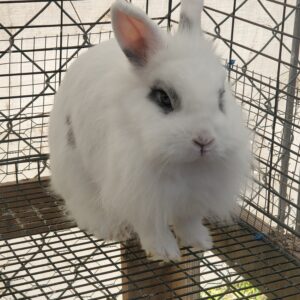
Rabbits & Their Needs

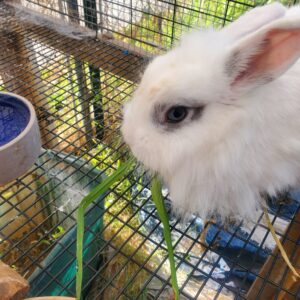
Rabbits thrive on calm, consistency, and cleanliness. They need a safe, well-ventilated space that protects them from wind, rain, and extreme heat. Fresh hay should make up the bulk of their diet, supported by clean water and a small portion of quality pellets or fresh greens. Rabbits are sensitive animals, so quiet surroundings and gentle handling matter just as much as food. Keeping their living area clean is essential, as they are prone to respiratory issues if bedding becomes damp or dirty.

Pigs & Their Care
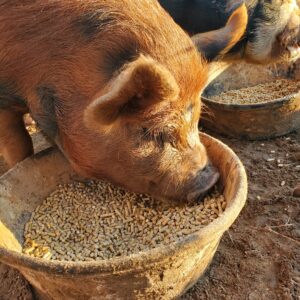
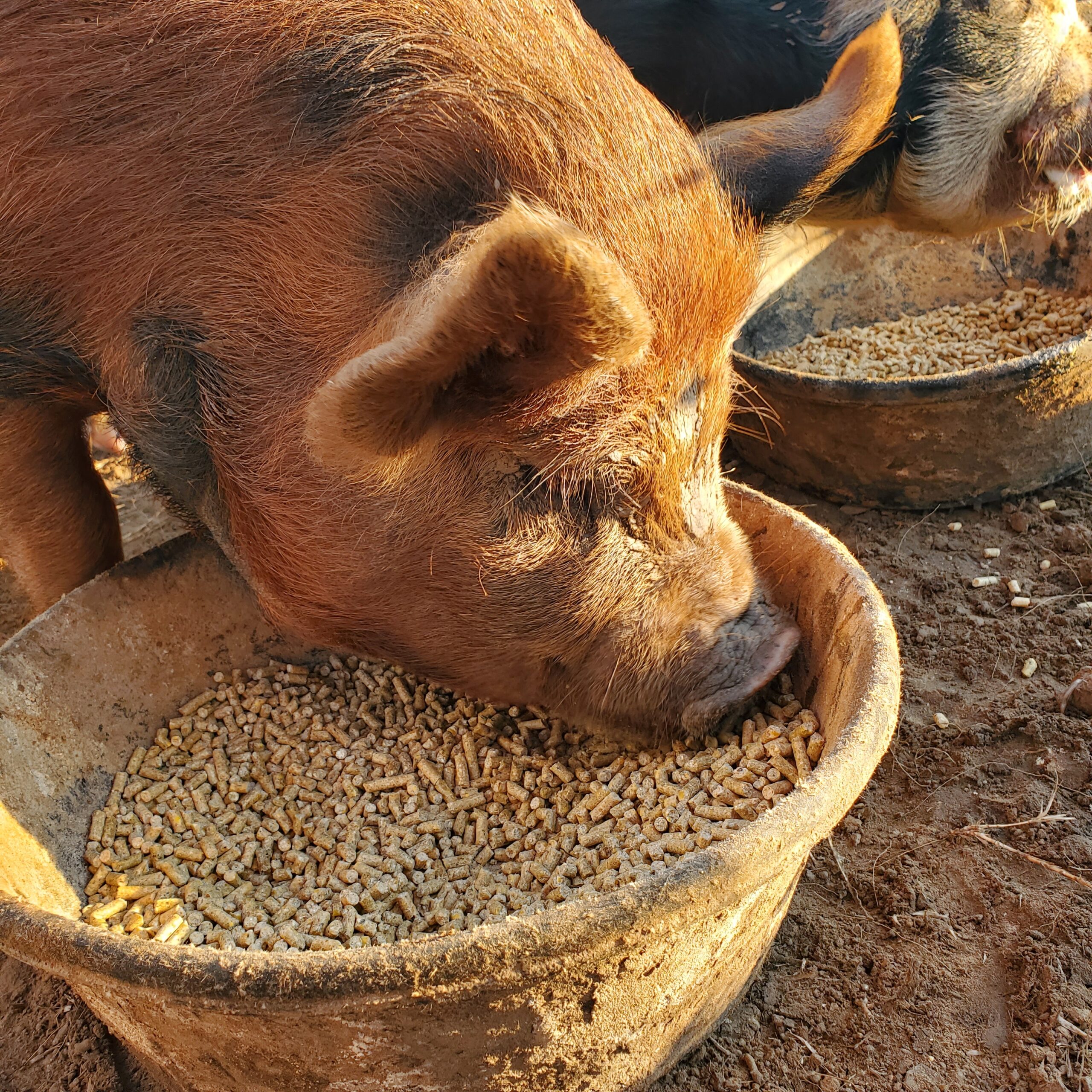
Pigs, on the other hand, are curious, social, and incredibly smart. They need room to roam, root, and express natural behaviors. A sturdy shelter protects them from sun and cold, while access to mud or a wallow helps them regulate body temperature. Pigs require a balanced diet rich in nutrients, along with constant access to fresh water. Just as important is mental stimulation—pigs get bored easily, and a bored pig is often a destructive pig. Time, interaction, and enrichment go a long way with them.

Chicken Care
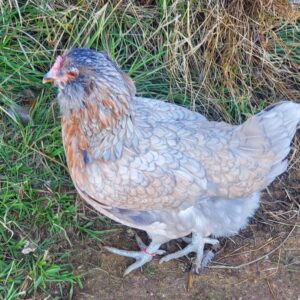
Chickens are often the heartbeat of the homestead. They need secure housing to keep predators out, clean nesting boxes, and roosts for sleeping. A balanced feed, grit, calcium, and fresh water support healthy egg production. Chickens also need space to scratch and forage, which keeps them active and content.

When each animal’s needs are met, the homestead runs smoother. Healthy animals are calmer, more productive, and a joy to care for, reminding us that good stewardship starts with understanding.
Daily Animal Chores: The Rhythm That Keeps My Homestead Running

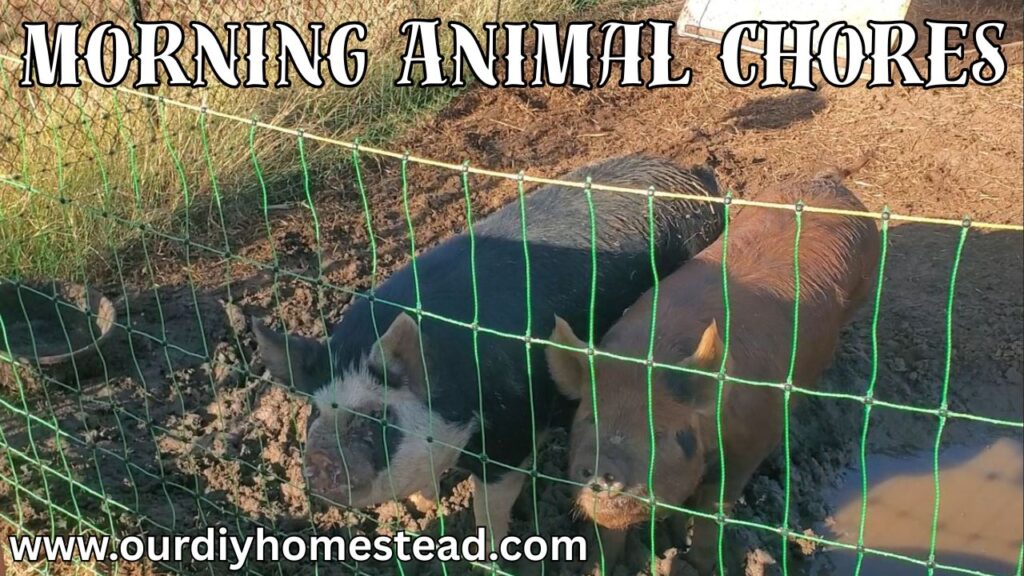
Every morning, before the world fully wakes up, I slip into my boots and head outside to start my animal chores. It’s become a rhythm I look forward to—a quiet moment where the homestead and I ease into the day together.

Click here to check out the video Ron made so you can meet all the animals face to face.

chicken

My chickens are always the first to greet me. Honestly, they act like I’ve been gone for days instead of just one night. I open the coop, refresh their water, scatter feed, and peek into the nest boxes to see who gifted me breakfast. As I walk through the run, I take a moment to watch them scratch around. They make it pretty obvious if someone isn’t acting right, so I like to give everyone a good once-over while the sunlight is still soft.

Next, I move to the rabbits. They’re quieter, more delicate in their routines, and I’ve learned they appreciate a calm hand. I top off their hay, refill their water, and give each one a little hello. I always check the cages for loose wires or spots they might be chewing. Over time, you learn which rabbits hop right over for attention and which ones prefer to sit back and observe.

Then come the pigs—my loudest morning crew. They are never shy about letting me know it’s feeding time. I haul out their feed, make sure they’ve got plenty of fresh water, and check their wallow or shelter. I also give the fence a quick look because pigs are creative thinkers when it comes to escape plans.

Even though the chores shift with the seasons, this steady, everyday pattern gives me purpose. There’s something honest and grounding about caring for animals. It’s work, yes—but it’s the kind of work that fills my cup every single day.

Making Our Chicken Tractor Mobile

Turning a stationary chicken pen into a mobile chicken tractor is one of the best upgrades you can make for your flock — and your yard! A chicken tractor is basically a moveable coop and run combo that allows you to rotate your chickens onto fresh grass. It keeps them safe while letting them forage, fertilize, and aerate your soil — a true win-win for both birds and garden.

Click here to check out Ron’s video to see how he did it first hand.

If you already have a stationary setup, converting it doesn’t have to be complicated. Start by looking at your current pen’s frame. You’ll want it sturdy but light enough to move. Many folks replace wooden posts with lighter materials like PVC, treated 2x2s, or metal tubing. Add handles or a tow bar to make pulling it easier, and attach heavy-duty wheels on one end so you can tilt and roll it like a wheelbarrow.

Next, secure a solid roof for shade and weather protection, and cover the sides with welded wire or hardware cloth to keep predators out. Inside, make sure your roosts and nesting boxes are fastened tightly so nothing shifts when you move the tractor.

chicken
chickens

Once converted, move the chicken tractor every day or two. This keeps the birds on fresh ground, helps prevent muddy spots, and spreads their nitrogen-rich manure evenly — nature’s free fertilizer! It also keeps your chickens happier and healthier since they get constant access to bugs and greens.

With a little creativity and some elbow grease, your once-stationary chicken pen can become a hardworking mobile setup that benefits your whole homestead. Your flock will love the fresh buffet of grass and grubs, and you’ll love seeing your soil thrive under their care.

Now that’s what you call putting your chickens — and your land — to work together!

Chicks & Brooders

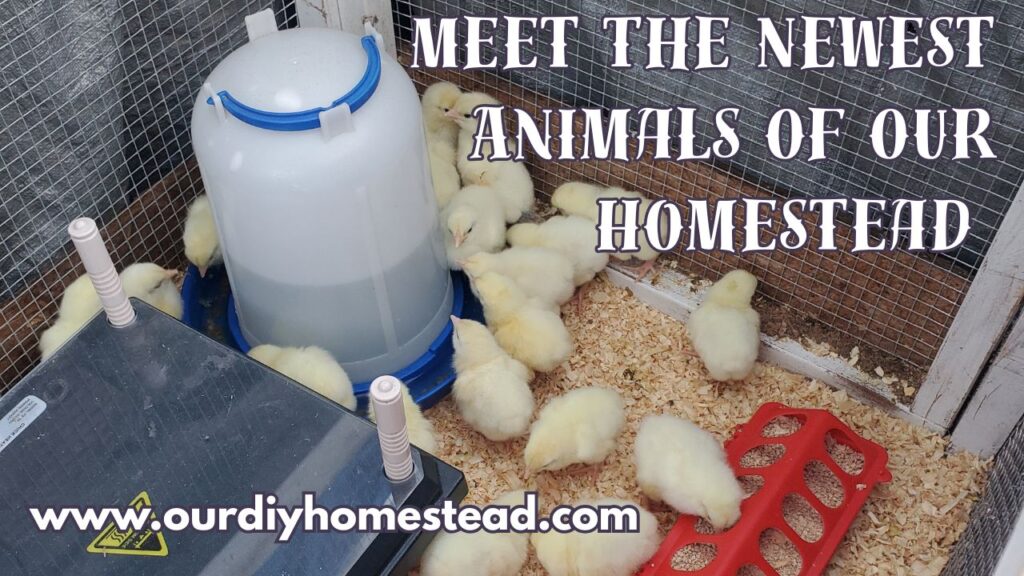
Bringing home baby chicks is one of the most exciting parts of raising backyard chickens! Those tiny, fuzzy balls of fluff are adorable—but they do need special care in their first few weeks of life. Setting up a proper brooder is the first step to keeping your chicks healthy, warm, and happy.

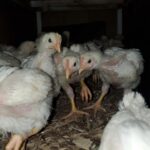
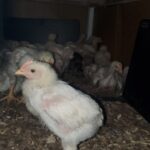
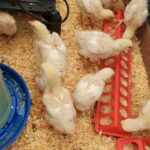
Our chicks are about two weeks old and all 55 of them have outgrown the small brooder we have. So, Ron has divided them into two different brooders to give them space as they get a little bigger before they go outside. You can see what he does here.

Brooder Set Up

A brooder is simply a warm, safe space for your chicks to live until they’re big enough to go outside. You can use a plastic tote, a large cardboard box, or a special brooder box. The key things they need are warmth, bedding, food, water, and protection.

For warmth, use a heat lamp or a brooder plate. Chicks can’t regulate their body temperature yet, so keeping it around 95°F for the first week is important. Each week, lower the temperature by about 5°F until they’re fully feathered. If the chicks are huddled under the heat source, they’re cold; if they’re far away, it’s too hot. Watch their behavior—they’ll tell you what they need!

Line the bottom of the brooder with pine shavings (avoid cedar—it’s too strong). Keep things dry and change the bedding often. Fresh, clean water should always be available, and a chick starter feed provides all the nutrients they need to grow strong.

Chicks also love a little company—both from their flockmates and from you. Handle them gently and talk softly so they get used to being around people.

Within a few short weeks, your fluffy babies will be curious, active, and ready to explore the big world outside the brooder. Taking the time to set them up right from the start means you’ll have healthy, friendly chickens for years to come!

Tips for Raising Market Chicks

Thinking about raising market chicks? Great choice! They grow fast, they’re fun to watch, and if you set them up right from day one, you’ll save yourself a whole lot of headaches later. Let’s walk through what you’ll need before those little fluff balls arrive.

Ron shows you on his latest video how he prepared for our 55 market chicks in this video.

Start with a Brooder


Your chicks need a warm, safe place to call home for the first few weeks. A big stock tank, wooden box, or even a sturdy plastic tote works just fine. Toss in some pine shavings (skip the cedar—it’s too strong) to soak up messes and give them something soft to scratch around in.

Keep ‘Em Toasty

Baby chicks can’t keep warm on their own. A heat lamp or a chick brooder plate will do the trick. Shoot for around 95°F that first week, then drop the temp by about 5 degrees each week. They’ll let you know if they’re comfy—spread out and happy? Perfect. Piled up under the lamp? Too cold. Huddled away from it? Too hot.

Food and Water


A high-protein chick starter feed (20–24%) is the way to go for market birds—they need the fuel to grow fast. Get yourself a small feeder so they’re not wasting half of it scratching around. And for water? Use chick waterers, not bowls. Trust me, they’ll manage to spill or fall into anything else.

Room to Grow

Chicks don’t stay tiny for long. Make sure they’ve got enough elbow room, or wing room in this case, and keep the setup safe from curious pets or predators.

Extras You’ll Be Glad You Have

A thermometer, extra bedding, backup bulbs or heaters, and bigger feeders and waterers for when they hit their growth spurt.

Get the basics ready before they arrive, and your chicks will thrive—and you’ll enjoy the ride a whole lot more.

Treats for the Chickens

If you are an avid reader of the blog you probably know how much we love our chickens. There is something so soothing in listening to them cluck and call in the backyard. I often joke with Ron that we should set up lawn chairs in the back and charge people for the opportunity to come and watch them. They always bring a smile to my face. This last week the cold weather was on its way out so Ron went and took a look at the winter garden and then he took the hens a special treat.

You can watch the action by clicking here.

Healthy Chicken Treat

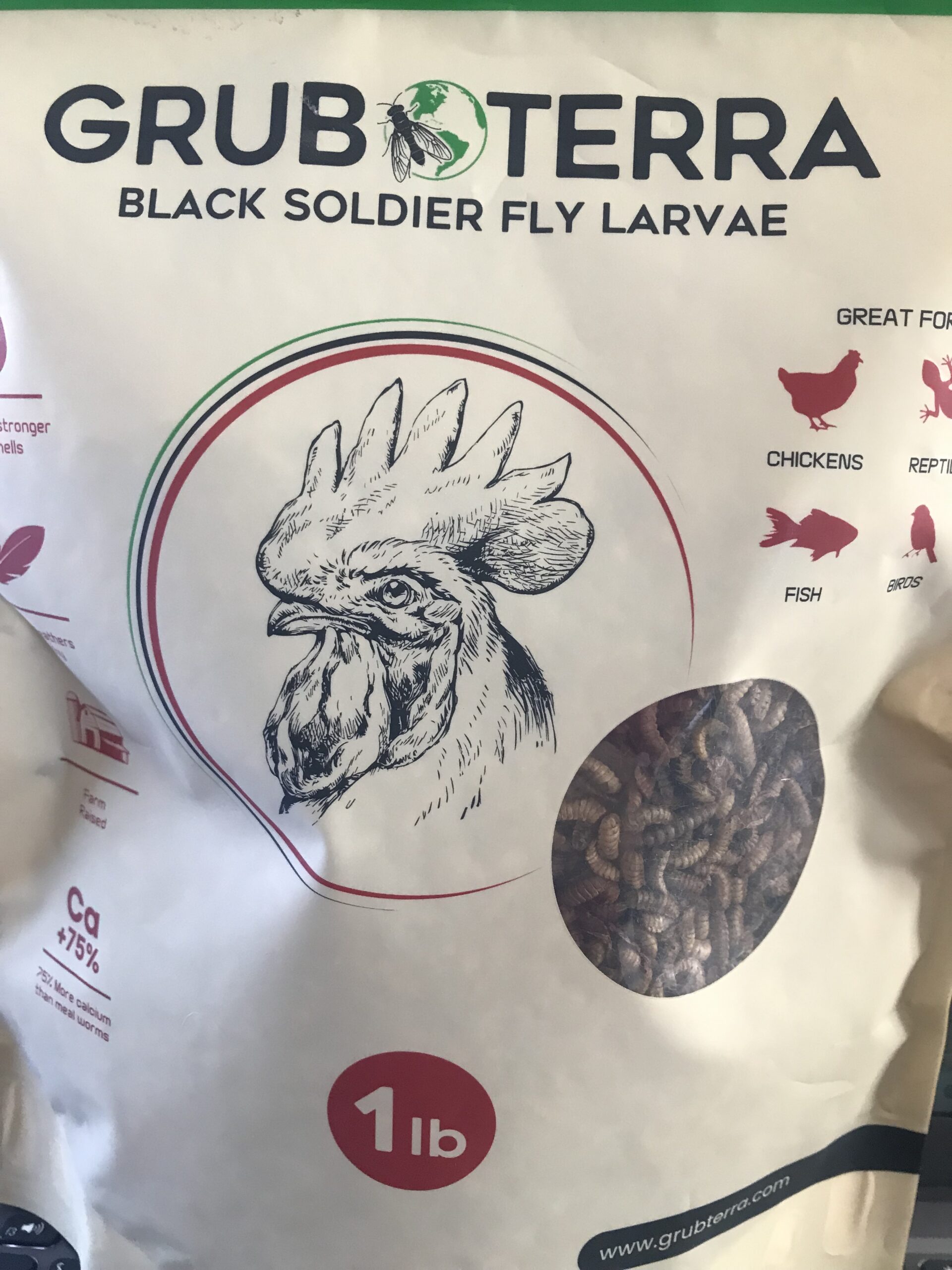
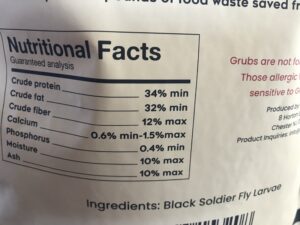
We were contacted by a company called Grub Terra. They sent us a package of black soldier fly larvae. Our chickens loved it! The great thing about black soldier fly larvae is how good it is for the hens. It helps to produce stronger egg shells, keeps feathers healthy, and has 75% more calcium than meal worms. I’m adding a picture so you can see the nutritional facts. I also love seeing the ingredients of this product. Can you see it in the picture? Black soldier fly larvae. That’s it. Healthy treats for the chickens!

 Good news, you can get your own package of black soldier fly larvae and save 20% by using our link here.

Black Soldier Fly Larvae For Chickens & More

As many of you know we are setting up a hydroponic gardening system. Once those are set up we plan on adding fish and creating an aquaponics system. Right on the packaging for the Grub Terra black soldier fly larvae it shows that this is for more than just chickens, it’s also for fish, birds and reptiles. So, there are multiple uses for this product around the homestead.

One of the things I respect about the Grub Terra company is their dedication to the environment. They work to provide high-quality and healthy products for our pets.

They feed the larvae pre-consumer food waste from super markets. Every one pound of dried black soldier fly larvae equals 20 pounds of food waste saved from landfills.

Remember, you can get your own package of black soldier fly larvae and save 20% by using our link here.

Here is to your homesteading dreams,

Shawn

Making Winter Watering Chores Easier

Being in north Texas we don’t have to worry about cold temps to often but when we do Ron has found a way of making winter watering chores easier. Making sure animals have access to water is so important. They do not care if the temps are low and it’s cold outside. They need and want water at all times! That can be difficult if your system isn’t set up for cold weather. We can get water to our animals, our problem was keeping the water from freezing once it was in their bowls.

Check out how Ron made winter watering chores easier.

The Magic Plug

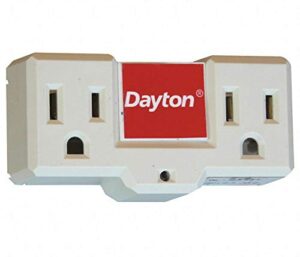
Ron came across this plug called the Dayton 48GP69 Freeze Protection Thermostat. We bought ours on Amazon for $30.

How Ron uses this thermostat is by plugging in the items he wants to make sure are started when the temps drop below freezing.

Chickens Winter Watering Chores

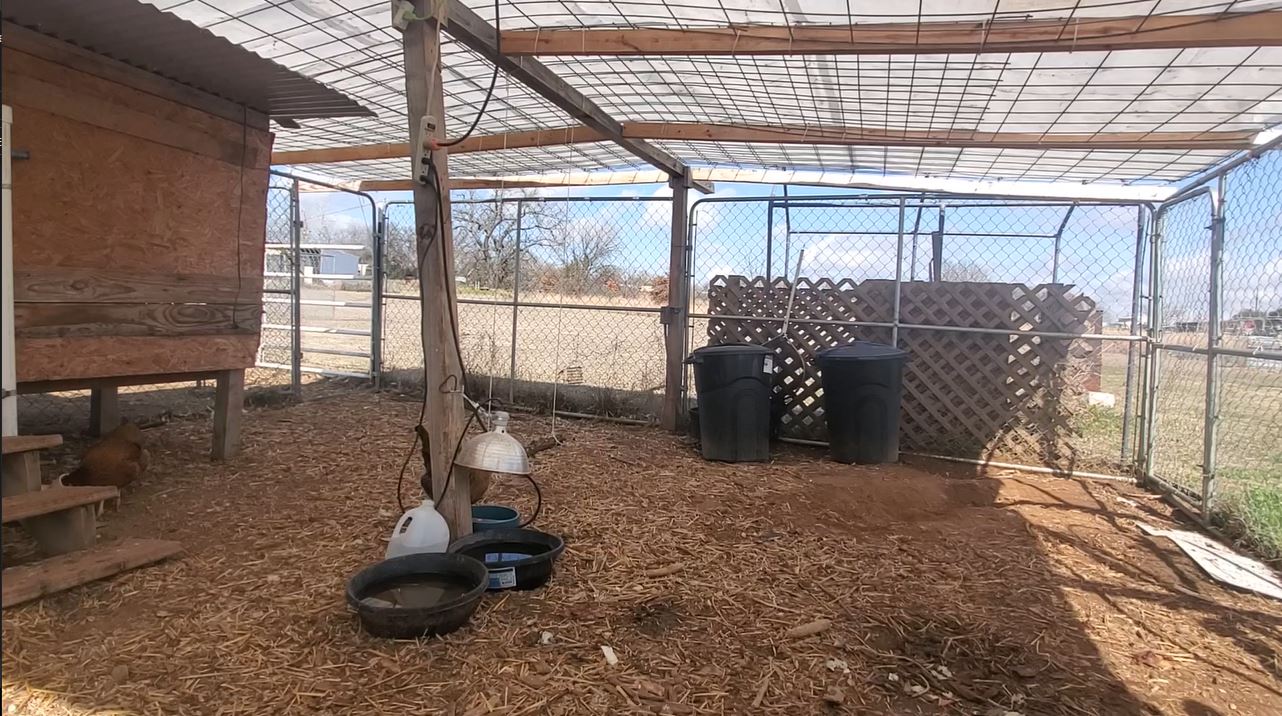
For the chickens he plugs in a heated dog bowl for one watering system for the chickens. He also has a heat lamp over another water bowl which keeps it from freezing and also places a bottle of water under it to keep thawed for the bunnies.

Rabbits Winter Watering Chores

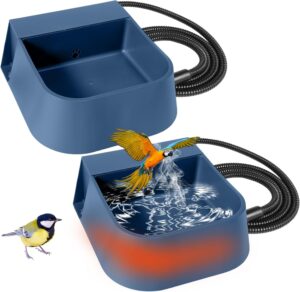
For our rabbits we ordered each of them a heated bowl. These came from Amazon (Sliner 2 Pcs Outdoor Heated Water Bowl Dispenser Automatic Dog Bowl Smart Thermal Bowl 0.528 Gal Provides Drinkable Water in Winter for Animals Dogs Cats Chickens Rabbits Squirrels.) Ron plugs them into an extension cord which he then plugs into the thermostat. Our bunnies always have warm water on a cold winters day.

It doesn’t matter how big or little your homestead is. What is important is keeping the animals you have well taken care of. You can read more about how we do chores in the snow by clicking here.

Here is to your homesteading dreams,

Shawn

Doing Chores In The Snow

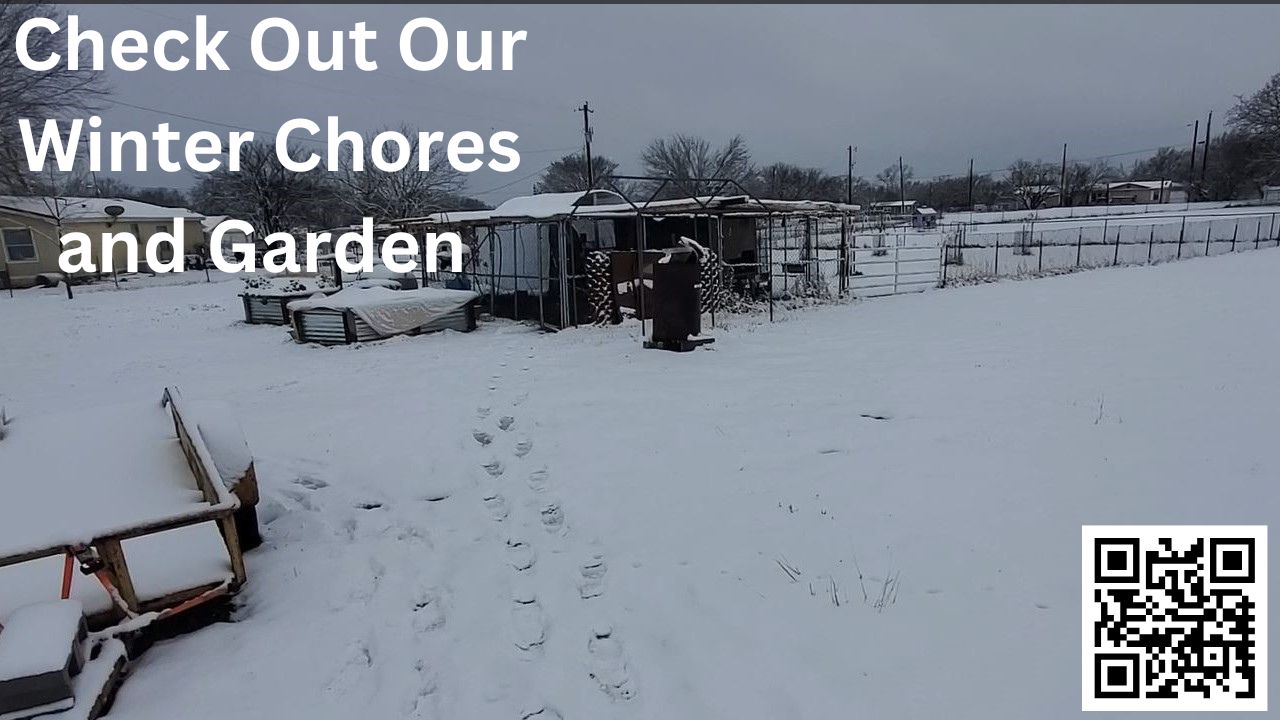
It’s not often that we are doing chores in the snow but this last week in North Texas found us doing just that. Since we have been here for a few years we did have almost everything we needed so the animals weren’t affected that much… besides the chickens pouting in their coop because they did not like the snow! It just took time to find were everything was put away from the last time we had freezing, snowy weather. We also had to protect the few garden crops that we still have growing.

You can watch Ron doing the chores by clicking here.

Food, Water & Shelter

Food, water and shelter are the most important things to think about when doing chores in the snow. We have had a heated dog water bowl for several years and have learned it is a great source of water for the hens. Ron also set up a heat lamp over their other water so we didn’t have to worry about frozen water. This is the first year that we have had bunnies during a winter freeze so we had to buy heated rabbit bowls for them. Everyone received extra feed and Ricky & Lucy, the bunnies, got extra lettuce greens as well. Ron had just put in extra straw for the hens and the bunnies were protected from the weather from their shelter. Everyone was safe and warm.

Garden Veggie Protection

carrots

We always plant carrots in the fall and overwinter them and they are ready in the spring. Usually, we don’t worry about them much but when temps dip below the 20’s into the teens we cover them. Here is a peek at how they are looking.

We did an experiment this fall and planted celery. In the beginning of the season it was to hot then the temps were in the 70’s and 60’s and the celery loved it. It is not a fan of the 20’s and colder weather but it is doing pretty well.

Well, warmer weather is on it’s way and we are hoping the snow melts away soon. But it’s winter here in North Texas and another storm is already in the forecast. Let’s hope we get to skip the snow this next time.

Here is to your homesteading dreams,

Shawn

Chicks, Chicks, Market Chicks

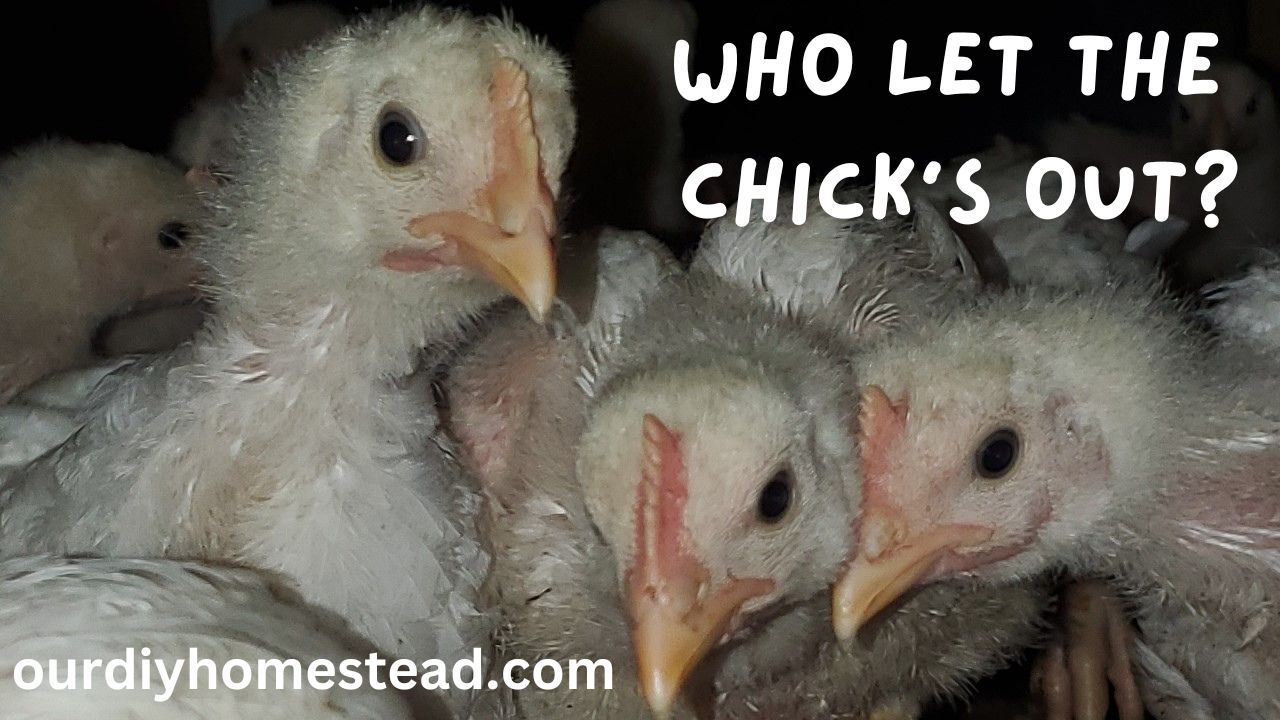
There really isn’t anything cuter then baby chicks in my opinion. About 5 weeks ago we got 30 cute little fluffy, yellow, chirping chicks delivered to our house. Now, fall isn’t the normal time for most people to get chicks because of the cold season approaching. However, we are not most people! We live in baked North Texas and with it being the middle of October we are still seeing temps in the 90’s! There are drawbacks and positives to the weather being like this. One of the positives is that we have the time to raise a batch of market chicks. This normally takes 8 weeks, give or take. Here is a sweet video on when the market chicks were released from their brooder and put into their first outdoor space.

Thoughts on Market Chicks

I know people are having a hard time with understanding how we can take these cute little chicks and love them and take care of them. And in 8 weeks butcher them and put them in the freezer. But, I think it makes more sense then going to the store and buying chicken without knowing how it lived it’s life, the things it was feed and then how it’s life ended. We care how we take care of chickens on our homestead. Check out this blog.

Feeding and Watering Market Chicks

We feed a medicated start and grow chick feed along with fresh water every day. It’s important to get them off to a healthy start. As market chickens there is a set amount of weeks that we want to feed them. When they outgrow our brooder they go into a small outdoor area where they will stay until they get big enough for them to be put into our grow out pen which is in pasture.

That is where we are in the process of growing out this fall’s market chicks. I like to go into winter with a freezer full of chicken. I have a page here where I have shared some of our chicken recipes. Please check it out.

Here is to your homesteading dreams,

Shawn

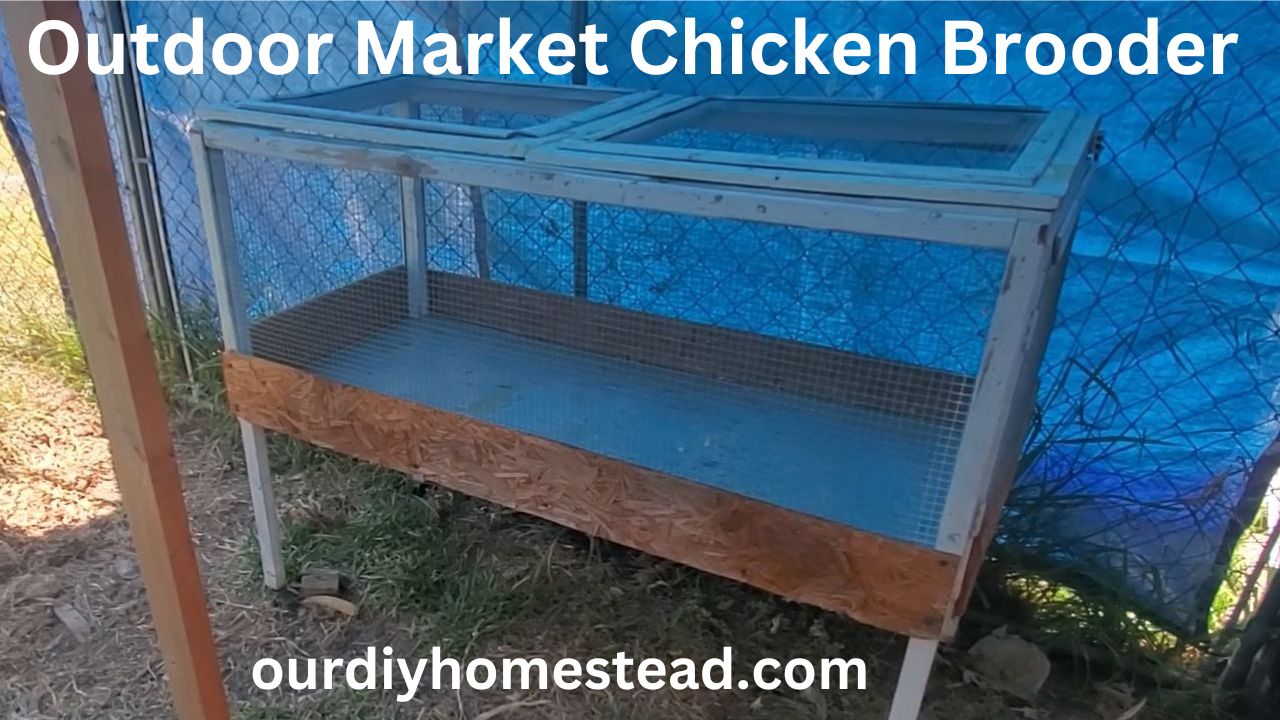
Market Chick Brooder Installation

We had market chicks coming which was a good thing since I’ve been out of chicken for a couple of months. But… there was another problem, where were we going to put them? In case you don’t know there are companies that sell chicks and send them out all over the United States through the mail. This is how we get our market chicks, they arrive through the USPS in little boxes and when the post office calls we go pick them up. And we need a place to put them once they get to us. Check out this video and Ron explains how and what he did.

Market Chicks in the Brooder

Chicks are not born with feathers, they have fuzz all over their bodies. So, they need a place that is warm, the temperature they need is in the 90’s to begin with and then as they mature and more feather form the temperature can start to decline. A lot of people put the chicks in a smaller type box called a brooder and keep it in a building out of the weather. We had the brooder box we just did not have a place in a building to keep them out of the weather.

Brilliant Idea

What we did have was a section in the chicken yard that was narrow and we used it to separate a sick or hurt animal. It was a perfect spot to create the warm, out of the weather area that we needed for the chicks! Ron created support at the top of the chicken fence and then draped a tarp over it. Then secured it so it won’t blow away, creating the perfect little area for the chicks as they grow. Raising chicks is a lot of work. Here is an article that goes into that more.

Tips for Creating a Safe Outside Market Chick Brooder

Some tips that we have learned during this process is to overbuild in security of the chicks. Predators come in many shapes and sizes and you want to make sure they can’t get through to your precious chicks. Weather is also something to always think about. Here in North Texas we had to worry more about not roasting our little chicks but in the North you have to worry about cooler temps. Know your weather.

Let me know if you raise chicks and have a brooder. I’d love to hear about it.

Here is to your homesteading dreams,

Shawn