Visit Us On Our Other Channels

Category: animals

Christmas on the Homestead

Christmas on the homestead carries a rhythm all its own, especially when winter brings chilly air without the hush of snow. The mornings are crisp, the ground firm beneath your boots, and the days feel shorter but no less full. Without snowdrifts or frozen paths, chores continue much the same—just with heavier layers and steam rising from every breath.

Animals & Christmas
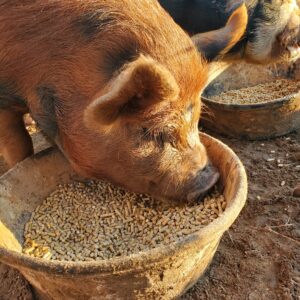
Animals don’t take holidays, and that steady routine becomes part of the season’s comfort. Feeding pigs, gathering eggs, and checking on rabbits happen under pale winter skies, often with Christmas music drifting from the house nearby. There’s something grounding about tending livestock while wreaths hang on the barn door and lights glow faintly from the porch. The work keeps you present, even as the calendar fills with celebrations.

Christmas Prep on the Homestead

Inside the homestead, Christmas preparations blend easily with everyday life. Bread is baked between chores, herbal teas steep while lists are checked, and decorations are often simple—greens gathered from the yard, twine, and handmade touches. Without snow, the landscape remains familiar, reminding you that winter doesn’t always mean stillness. Instead, it’s a quieter continuation of the year’s work.

Evenings arrive early, inviting slower moments. A warm kitchen becomes the heart of the home, where meals are shared and plans are made by lamplight. The absence of snow doesn’t lessen the season; it shifts it. Christmas feels less about spectacle and more about intention—choosing warmth, rest, and togetherness.

Homesteading during Christmas is a reminder that the season isn’t separate from daily life. It’s woven into it. The same hands that mend fences and fill feeders also wrap gifts and stir pots on the stove. In the chill of a snowless winter, Christmas on the homestead feels steady, simple, and deeply rooted in care—exactly where it belongs.
Taking Care of the Homestead Animals and Their Needs

Life with livestock is a daily lesson in paying attention, especially when it comes to understanding what each animal truly needs. Rabbits, pigs, and chickens may all share the same homestead, but their care couldn’t be more different.

Rabbits & Their Needs

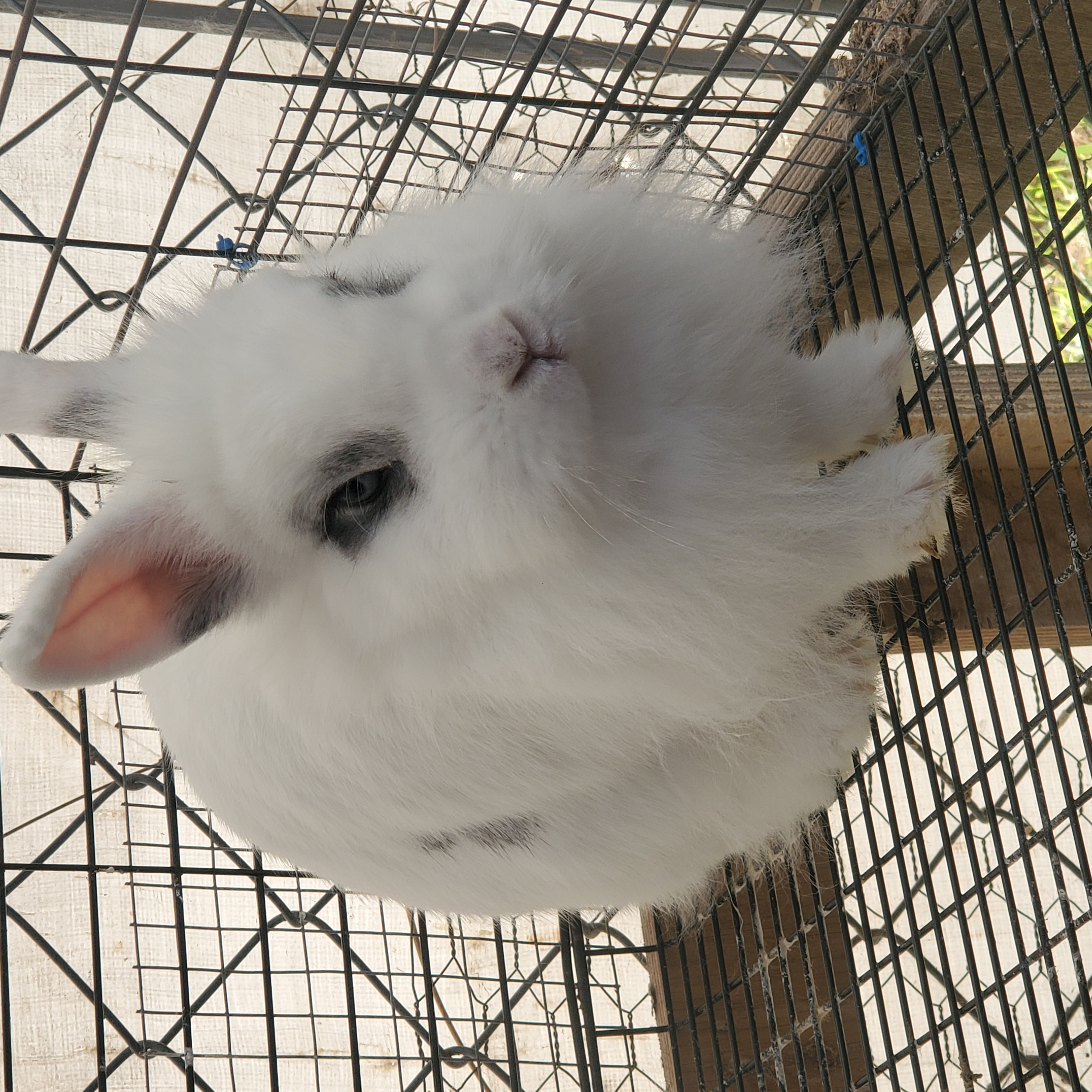
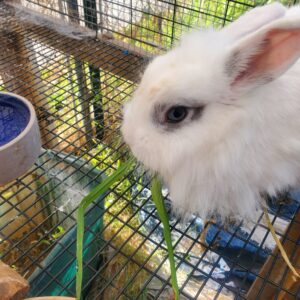
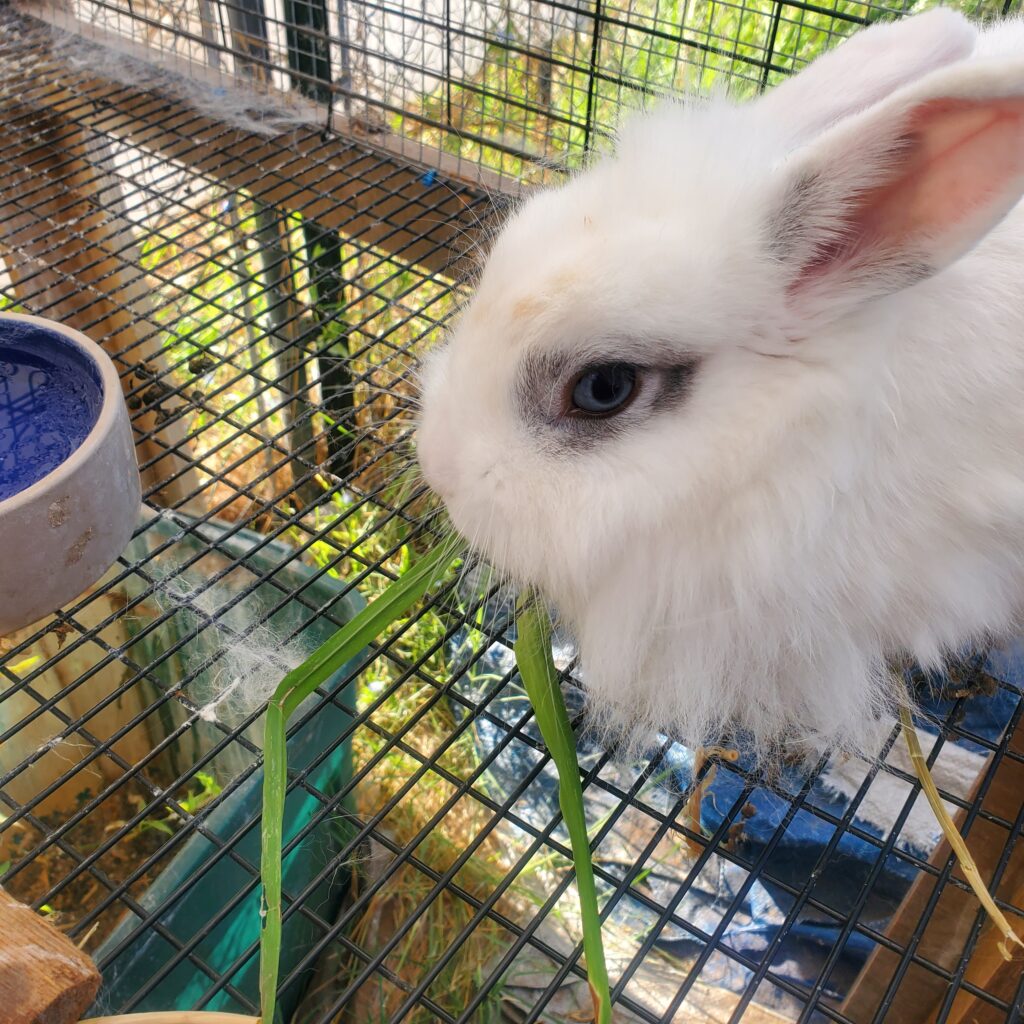
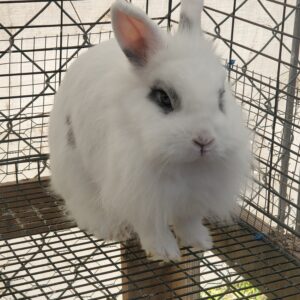
Rabbits thrive on calm, consistency, and cleanliness. They need a safe, well-ventilated space that protects them from wind, rain, and extreme heat. Fresh hay should make up the bulk of their diet, supported by clean water and a small portion of quality pellets or fresh greens. Rabbits are sensitive animals, so quiet surroundings and gentle handling matter just as much as food. Keeping their living area clean is essential, as they are prone to respiratory issues if bedding becomes damp or dirty.

Pigs & Their Care

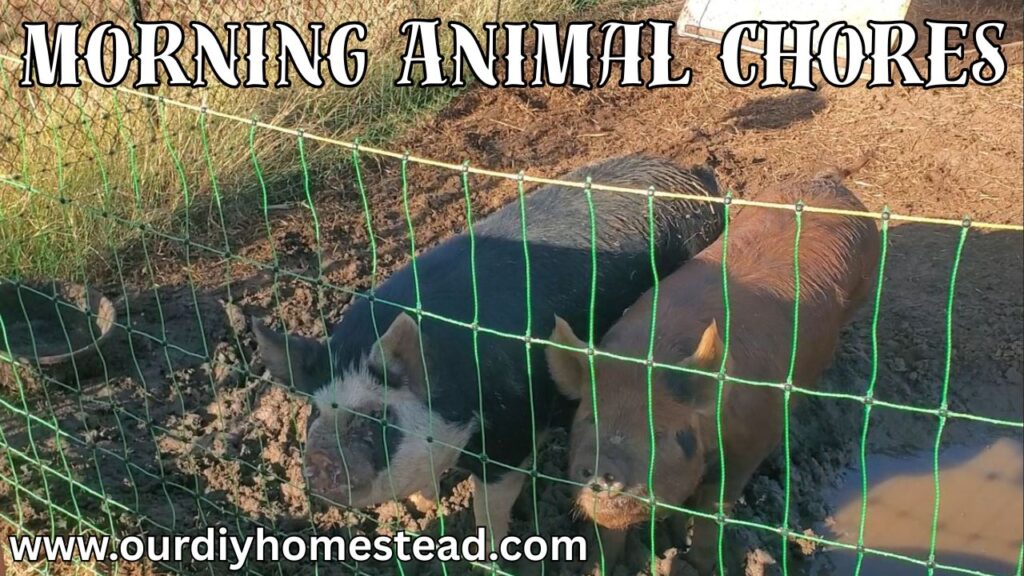
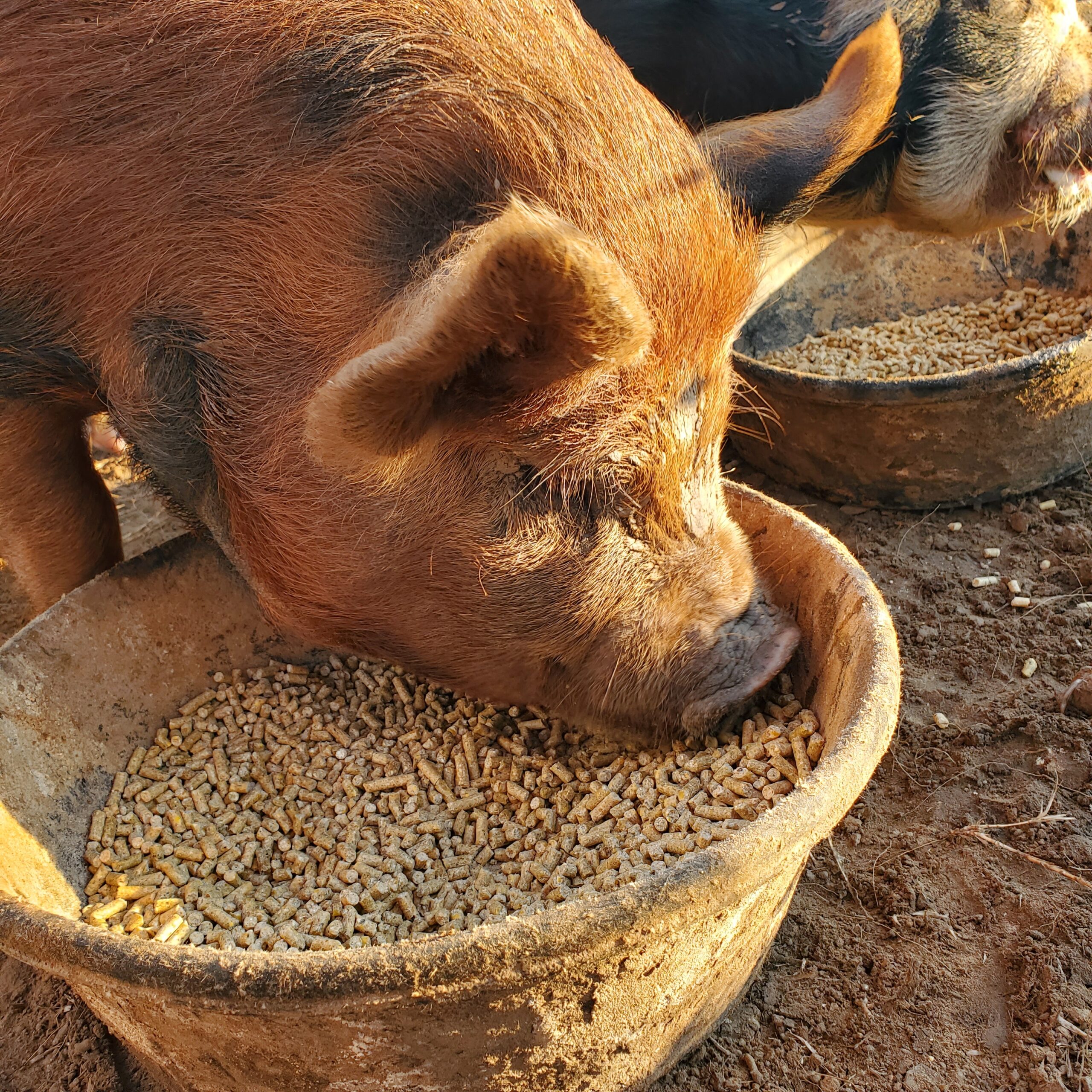
Pigs, on the other hand, are curious, social, and incredibly smart. They need room to roam, root, and express natural behaviors. A sturdy shelter protects them from sun and cold, while access to mud or a wallow helps them regulate body temperature. Pigs require a balanced diet rich in nutrients, along with constant access to fresh water. Just as important is mental stimulation—pigs get bored easily, and a bored pig is often a destructive pig. Time, interaction, and enrichment go a long way with them.

Chicken Care

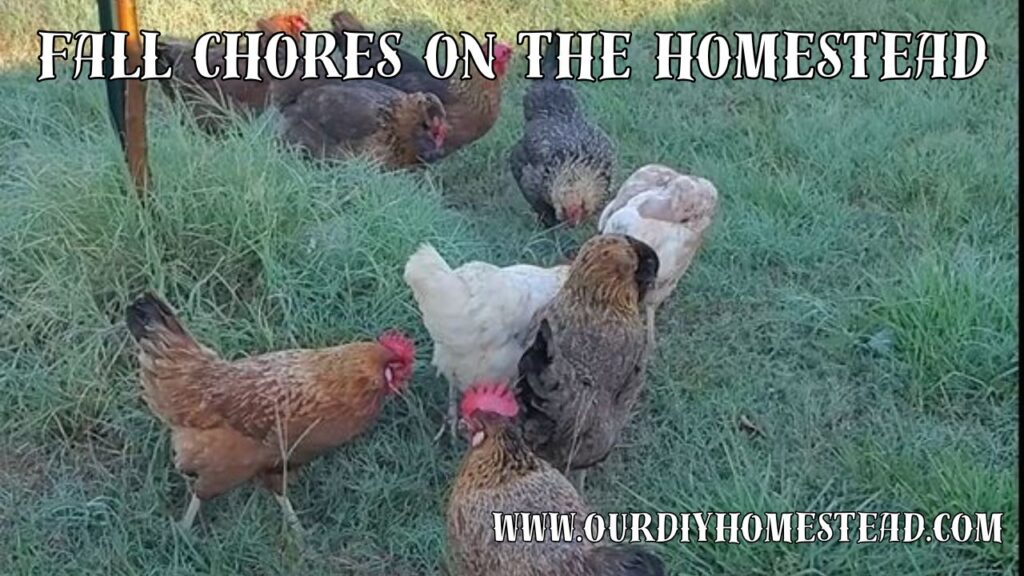
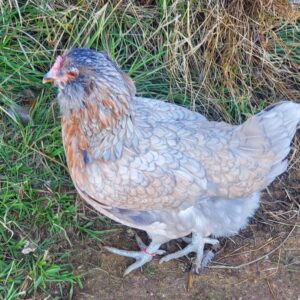
Chickens are often the heartbeat of the homestead. They need secure housing to keep predators out, clean nesting boxes, and roosts for sleeping. A balanced feed, grit, calcium, and fresh water support healthy egg production. Chickens also need space to scratch and forage, which keeps them active and content.

When each animal’s needs are met, the homestead runs smoother. Healthy animals are calmer, more productive, and a joy to care for, reminding us that good stewardship starts with understanding.

Keeping the Homestead Going When the Cold Sets In

Winter has a funny way of slowing everything down while somehow keeping us just as busy as ever. The garden might not be bursting with tomatoes or zucchinis anymore, but it still needs a little love to make sure spring starts off right. Same with the animals—cold weather doesn’t stop chores; it just changes them.

In the winter garden, it’s all about protection and preparation. First up: mulch. A good thick blanket of straw, leaves, or wood chips keeps your soil from freezing solid and protects any perennials or overwintering veggies. It’s like tucking your garden into bed for a long nap. And don’t forget your tools—winter is the perfect time to clean them up, sharpen the blades, and oil the handles so they’re ready to go come spring. If you’ve got raised beds, winter is a great time to add compost, too. Let the freeze-thaw cycles work it into the soil for you.

Winter Animal Care

Now for the animals. Winter care definitely keeps you on your toes, but it doesn’t have to be stressful. Fresh, unfrozen water is the biggest job—heated bowls are a lifesaver, but if you don’t have them, just be ready to swap out buckets a couple times a day. Chickens appreciate a draft-free coop and a little extra bedding to snuggle down in. Rabbits need the same—plenty of straw, solid wind protection, and extra hay to keep their little engines running. And pigs? They’re tougher than they look, but they still need a dry shelter, deep bedding, and steady feed to stay warm.

Winter isn’t loud or busy like the growing season, but it’s important. These small chores—mulching, watering, bedding, feeding—help everything on the homestead rest, recharge, and get ready for spring. And honestly? There’s something peaceful about caring for the land and animals in the quiet of winter.

Daily Animal Chores: The Rhythm That Keeps My Homestead Running

Every morning, before the world fully wakes up, I slip into my boots and head outside to start my animal chores. It’s become a rhythm I look forward to—a quiet moment where the homestead and I ease into the day together.

Click here to check out the video Ron made so you can meet all the animals face to face.

chicken

My chickens are always the first to greet me. Honestly, they act like I’ve been gone for days instead of just one night. I open the coop, refresh their water, scatter feed, and peek into the nest boxes to see who gifted me breakfast. As I walk through the run, I take a moment to watch them scratch around. They make it pretty obvious if someone isn’t acting right, so I like to give everyone a good once-over while the sunlight is still soft.

Next, I move to the rabbits. They’re quieter, more delicate in their routines, and I’ve learned they appreciate a calm hand. I top off their hay, refill their water, and give each one a little hello. I always check the cages for loose wires or spots they might be chewing. Over time, you learn which rabbits hop right over for attention and which ones prefer to sit back and observe.

Then come the pigs—my loudest morning crew. They are never shy about letting me know it’s feeding time. I haul out their feed, make sure they’ve got plenty of fresh water, and check their wallow or shelter. I also give the fence a quick look because pigs are creative thinkers when it comes to escape plans.

Even though the chores shift with the seasons, this steady, everyday pattern gives me purpose. There’s something honest and grounding about caring for animals. It’s work, yes—but it’s the kind of work that fills my cup every single day.

Making Our Chicken Tractor Mobile

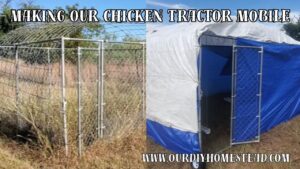
Turning a stationary chicken pen into a mobile chicken tractor is one of the best upgrades you can make for your flock — and your yard! A chicken tractor is basically a moveable coop and run combo that allows you to rotate your chickens onto fresh grass. It keeps them safe while letting them forage, fertilize, and aerate your soil — a true win-win for both birds and garden.

Click here to check out Ron’s video to see how he did it first hand.

If you already have a stationary setup, converting it doesn’t have to be complicated. Start by looking at your current pen’s frame. You’ll want it sturdy but light enough to move. Many folks replace wooden posts with lighter materials like PVC, treated 2x2s, or metal tubing. Add handles or a tow bar to make pulling it easier, and attach heavy-duty wheels on one end so you can tilt and roll it like a wheelbarrow.

Next, secure a solid roof for shade and weather protection, and cover the sides with welded wire or hardware cloth to keep predators out. Inside, make sure your roosts and nesting boxes are fastened tightly so nothing shifts when you move the tractor.

chicken
chickens

Once converted, move the chicken tractor every day or two. This keeps the birds on fresh ground, helps prevent muddy spots, and spreads their nitrogen-rich manure evenly — nature’s free fertilizer! It also keeps your chickens happier and healthier since they get constant access to bugs and greens.

With a little creativity and some elbow grease, your once-stationary chicken pen can become a hardworking mobile setup that benefits your whole homestead. Your flock will love the fresh buffet of grass and grubs, and you’ll love seeing your soil thrive under their care.

Now that’s what you call putting your chickens — and your land — to work together!

Daily Homesteading Chores: Caring for Chickens, Rabbits, and Pigs

If you’ve ever dreamed of that simple, country life, let me tell you — homesteading is full of heart, hard work, and a whole lot of muddy boots! Caring for animals like chickens, rabbits, and pigs becomes part of your daily rhythm, and honestly, it’s some of the most rewarding work you’ll ever do.

Chicken Chores

Let’s start with the chickens. They’re usually the first ones up, clucking and ready for breakfast before the sun’s even high. I open the coop, scatter feed, and check waterers. There’s something peaceful about collecting warm eggs in the morning — it never gets old. A quick look around for any messes or sneaky predators keeps things running smooth.

Rabbit Chores


Rabbits are next. They love a clean, cozy space, so I make sure their hutches are tidy, hay racks full, and water fresh. They’re such gentle, curious little creatures. A few quiet minutes spent talking to them or offering a treat always makes me smile. You can tell a lot about how a rabbit’s doing just by how eager it is to hop over and say hello.

Pig Chores

Then there are the pigs — the funny ones of the bunch! They’re smart, playful, and always ready for a snack. I check their feed, water, and wallow, making sure they’ve got plenty of room to root and roll. Give them a scratch behind the ears, and they’ll be your best friends for life.

Homesteading chores might sound like work — and they are — but they’re also full of joy and purpose. Each task connects you to your animals and reminds you why you started this life in the first place: to live simply, care deeply, and find happiness in the everyday moments on the farm.

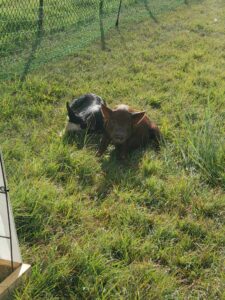
Pigs: The Newest Addition to Our Homestead

Every homestead has its milestones — planting the first garden, building a coop, or harvesting the first homegrown vegetables. For us, the latest exciting chapter is welcoming pigs to the farm. These curious, intelligent animals are quickly proving to be more than just livestock; they’re an integral part of creating a more sustainable, self-sufficient life.

One of the first things you notice about pigs is their personality. Contrary to the old saying, pigs aren’t lazy or dirty creatures. They’re playful, social, and surprisingly clever. They love rooting in the soil, exploring their space, and of course, enjoying a good mud bath to keep cool. Watching them interact has already brought so much energy and joy to our homestead.

Beyond companionship, pigs bring real value to the farm. They’re efficient foragers, turning food scraps, garden extras, and pasture into nourishment. This not only reduces waste but also makes them relatively inexpensive to feed compared to other livestock. With proper care, pigs can also help prepare new areas of land by naturally rooting and tilling the soil — a homesteader’s dream helper.

Raising pigs does come with responsibility. They need strong fencing, plenty of space to roam, and consistent access to fresh water. Their intelligence means they’ll quickly find weak spots in a pen, so sturdy enclosures are a must. But the reward of raising your own pork, knowing exactly how the animals were treated and fed, makes the effort worthwhile.

For us, pigs represent more than just food security. They embody the values of stewardship, resourcefulness, and connection to the land. Adding them to our homestead feels like a step closer to a truly full-circle lifestyle.

Here is a video on how Ron created the pasture and shelter for them. He also shows how to make a pig water barrel.

Welcome home, piggies — the adventure has just begun!

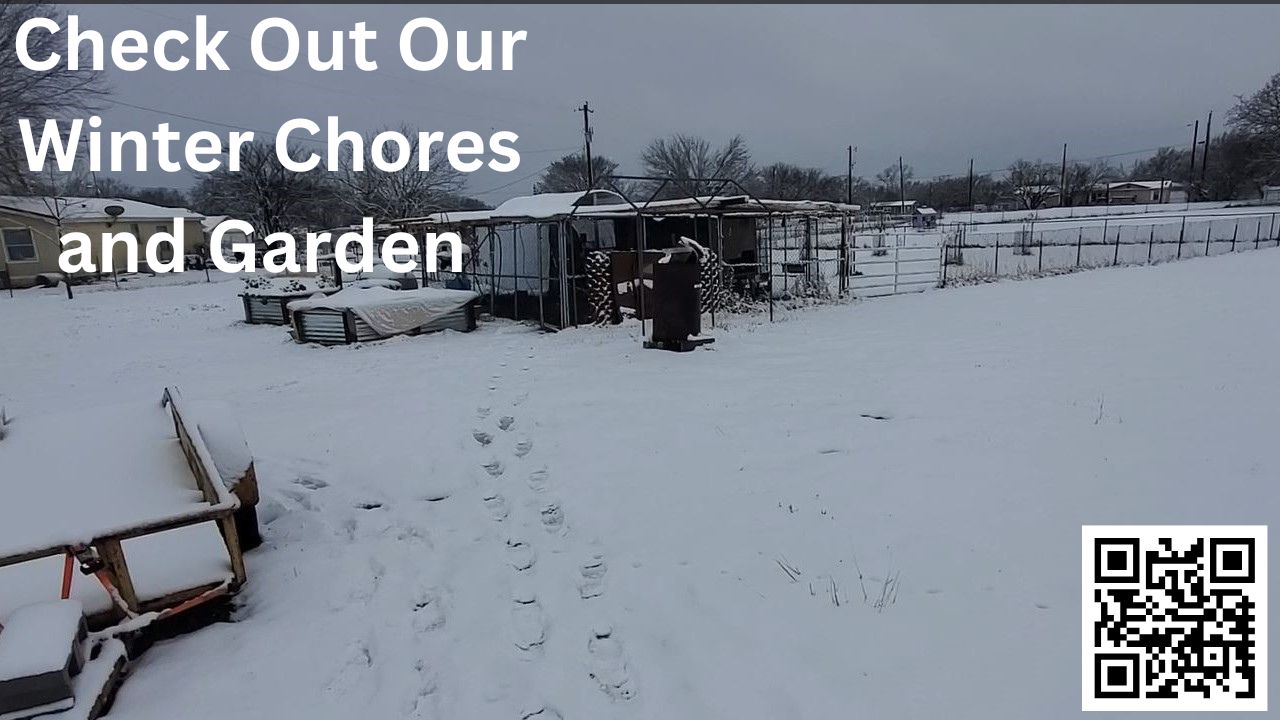
Doing Chores In The Snow

It’s not often that we are doing chores in the snow but this last week in North Texas found us doing just that. Since we have been here for a few years we did have almost everything we needed so the animals weren’t affected that much… besides the chickens pouting in their coop because they did not like the snow! It just took time to find were everything was put away from the last time we had freezing, snowy weather. We also had to protect the few garden crops that we still have growing.

You can watch Ron doing the chores by clicking here.

Food, Water & Shelter

Food, water and shelter are the most important things to think about when doing chores in the snow. We have had a heated dog water bowl for several years and have learned it is a great source of water for the hens. Ron also set up a heat lamp over their other water so we didn’t have to worry about frozen water. This is the first year that we have had bunnies during a winter freeze so we had to buy heated rabbit bowls for them. Everyone received extra feed and Ricky & Lucy, the bunnies, got extra lettuce greens as well. Ron had just put in extra straw for the hens and the bunnies were protected from the weather from their shelter. Everyone was safe and warm.

Garden Veggie Protection

carrots

We always plant carrots in the fall and overwinter them and they are ready in the spring. Usually, we don’t worry about them much but when temps dip below the 20’s into the teens we cover them. Here is a peek at how they are looking.

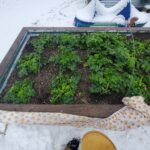
We did an experiment this fall and planted celery. In the beginning of the season it was to hot then the temps were in the 70’s and 60’s and the celery loved it. It is not a fan of the 20’s and colder weather but it is doing pretty well.

Well, warmer weather is on it’s way and we are hoping the snow melts away soon. But it’s winter here in North Texas and another storm is already in the forecast. Let’s hope we get to skip the snow this next time.

Here is to your homesteading dreams,

Shawn

New beginnings

New Beginnings

New Home

New Beginning

Happy New Year and welcome to new beginnings! Can you believe that 2022 has come to an end and 2023 is finally here. I don’t know if I’m happy or sad about that fact. You see, 2022 was full. I had some major surgery this past summer and I am feeling so much better but it was a two to three month recovery. And during all of that we sold our old home and had to move into a rental which we are still at. It took awhile but we have found a nice little piece of property with a project of a home on it. Believe me, I will be sharing a lot about it!

New Garden

The worst of news is also the best of news when it comes to my garden. It will be a new garden and I’m excited about this but the work this will bring is also overwhelming. Setting up a garden for me means to create an accessible garden which we are building with raised beds using metal water troughs for the most part. All of this means creating new soil, learning the best places to plant things and just creating my garden.

New Animals

new animals
new animals

I can’t have a garden without having my chickens, bunnies and worms. These little buddies of mine are so important to me for building and maintaining my garden. The name of this blog might be Our DIY Garden we will have plenty of animals to take care because they are so important to the garden and building compost. While I won’t get into it to much right now we will talk about how each animal will have dual jobs which I’m excited about.

So, we have talked about the new beginnings of 2023. Right now, I’m not sure if I should be excited about the new home, the new garden and the new animals that 2023 are bringing. But I do know one thing, all of it is coming. So, I’m inviting you to come along with me and see how the changes happen.